

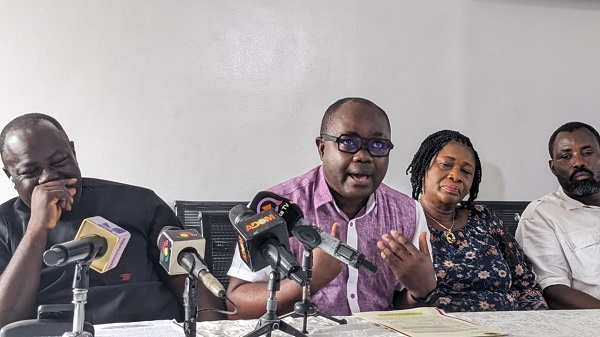
The Traders Advocacy Group Ghana (TAGG) has raised serious concerns over contractual arrangements between the Ghana Revenue Authority (GRA) and TRUEDARE Investment Limited, accusing the tax authority of bypassing stakeholder engagement, undermining transparency, and sidelining experienced local technology firms in the deployment of customs Artificial Intelligence (AI) systems.
In a statement issued on January 28, 2026, TAGG said the trading and importing community was alarmed by the manner in which the GRA sought Parliamentary approval for the contracts without prior consultation with traders and importers who will be directly affected by the agreement.
Lack of Consultation and Transparency
According to TAGG, the decision by the GRA to proceed to Parliament without engaging key stakeholders reflects a “lack of good faith” and runs counter to the principles of inclusiveness, accountability, and transparency expected in public procurement and policy implementation.
The group disclosed that following growing concerns within the trading community, an official appeal was submitted to the Presidency. This intervention reportedly resulted in a directive for the GRA to review the contract to ensure transparency and accountability.
However, TAGG says the GRA has failed to formally communicate the outcome of any such review to stakeholders. Instead, the Authority organized a forum that focused mainly on the economic benefits and valuation accuracy of the proposed customs AI systems, while failing to address broader concerns relating to procurement processes, fairness, and stakeholder inclusion.
“This selective engagement has done little to allay fears among traders and importers,” the statement noted.
Questions Over TRUEDARE’s Capacity
Beyond process-related concerns, TAGG also questioned the qualifications and technical capacity of TRUEDARE Investment Limited to manage sophisticated AI-driven customs valuation and classification systems.
The group described TRUEDARE as a company with no known track record in customs technology or artificial intelligence systems, adding that it is primarily recognized as a trading entity. TAGG expressed skepticism over how such a firm was entrusted with a critical role in Ghana’s customs operations.
Traders are particularly worried that experienced and capable local technology firms may have been sidelined, raising questions about fairness, competence, and value for money. According to TAGG, these unresolved issues have fueled growing dissatisfaction and unease within the trading and importing community.
RTI Application Filed
In a bid to promote accountability and clarity, TAGG announced that it has submitted a formal application to the Right to Information (RTI) Commission, requesting full disclosure of the contract details between the GRA and TRUEDARE Investment Limited.
The group said the move is intended to allow for an independent assessment of whether the scope of work aligns with the contract terms and whether the procurement process complied with principles of fair competition.
TAGG stressed that the RTI application was made in good faith and aimed at safeguarding the legitimate interests of traders and importers, while also supporting a stable and peaceful business environment.
Call for Constructive Engagement
Despite its concerns, TAGG reaffirmed its commitment to constructive dialogue with all relevant authorities in the national interest. The group urged the GRA and other stakeholders to prioritize transparency, stakeholder engagement, and accountability to restore confidence in Ghana’s customs modernization efforts.
The statement was signed by TAGG President David Kwadwo Amoateng and General Secretary Nana Poku, along with other national executives of the association.