

In recognition of the 100th anniversary of Black History Month, the University of Bayreuth celebrated the event with a special exhibition and panel discussion at the Iwalewa House which is a research center of the Institute for African Studies at the University.
The event was part of the celebrations for Black History Month, typically observed in February. The celebration this year was imbued with a special and colourful tone as students presenting two courses at the university gathered and arranged a month-long exhibition and a dialogue session with the public.
The programme was conducted on the theme: Where We Were, Where We Are, and Where We Will Be. It made one look back to the past, the present, and the future of Black history, especially in Bayreuth.
The Director of the Iwalewahaus, Prof. Dr Natasha Kelly, was the leader of the initiative. It is the first occasion on which the University of Bayreuth has held Black History Month in this form, which includes not only academic research and art but also a public discourse.
University graduate students created a diverse array of art pieces for the month-long exhibition. The university meticulously curated the art pieces to narrate the frequently neglected and unspoken narrative of Black history in Bayreuth. The students discussed the presence of Black people and their contributions to the region over time, using visual art, research, and narration.
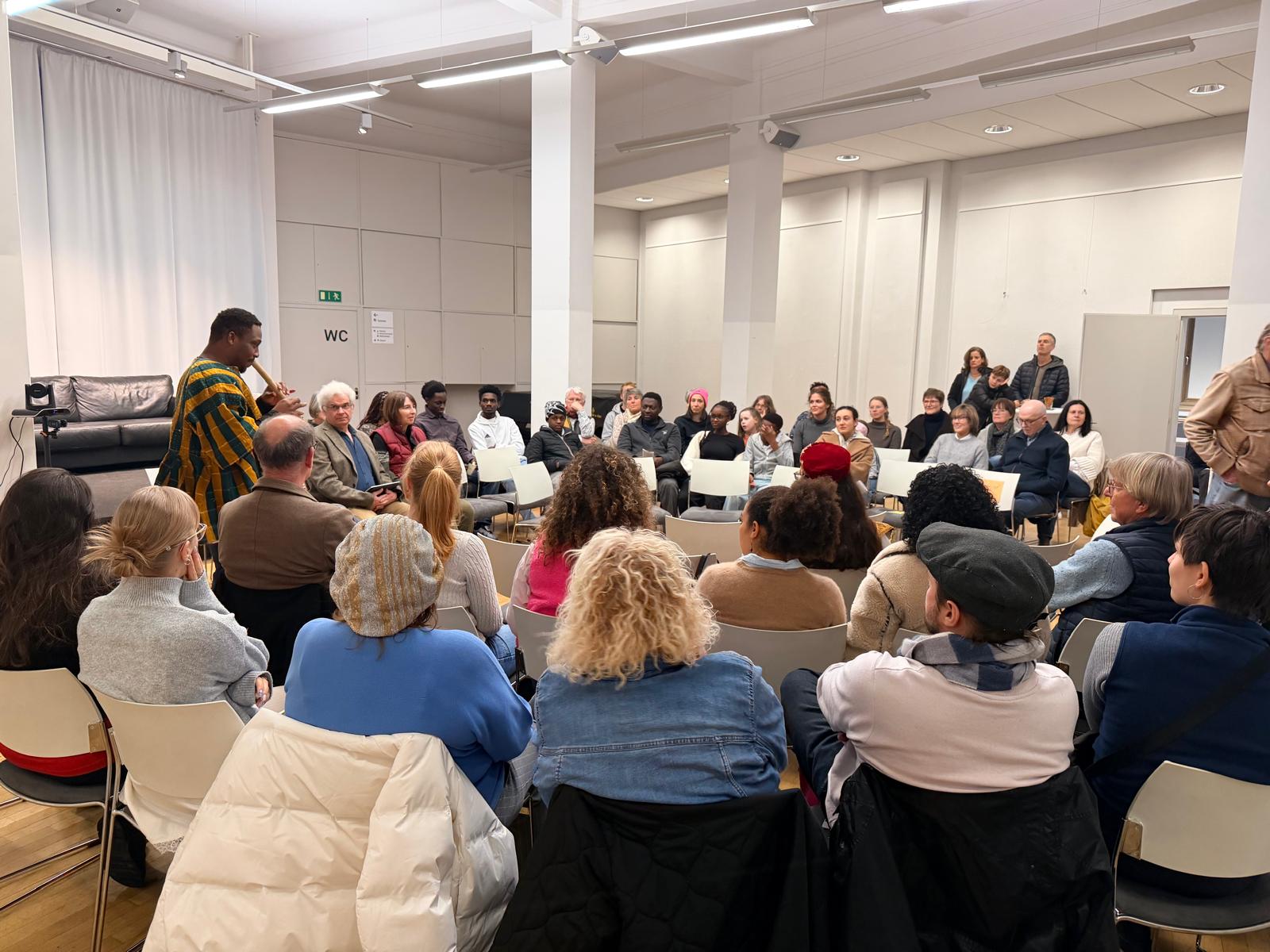
Graduate student Elvis Washington Agyimanku also moderated a dialogue session. The topic of the conversation dealt with the significance of Black History Month and its applications in contemporary society. The panellists and audience members discussed how to remember and celebrate Black history in the future.
Prof. Dr Natasha Kelly, in her introductory words, described that the event was meant to be a beginning to reconsidering the manner in which Black history is celebrated at the university. She observed that the decision to bring two courses together was intentional to push students beyond their comforts to conduct research and discover more about the history of Black people in Bayreuth.
She said this celebration was the beginning of numerous other initiatives to come at the University of Bayreuth.
Students from different grades in schools from Bayreuth, the members of the academic population, graduate students, and the general public attended the event. The event provided a platform for reflection, learning, and effective conversation, which encouraged collaboration among attendees and set the stage for future initiatives at the University of Bayreuth.