

Story By: Mohammed Faisel Mustapha / Felix Ernest Odamtten..
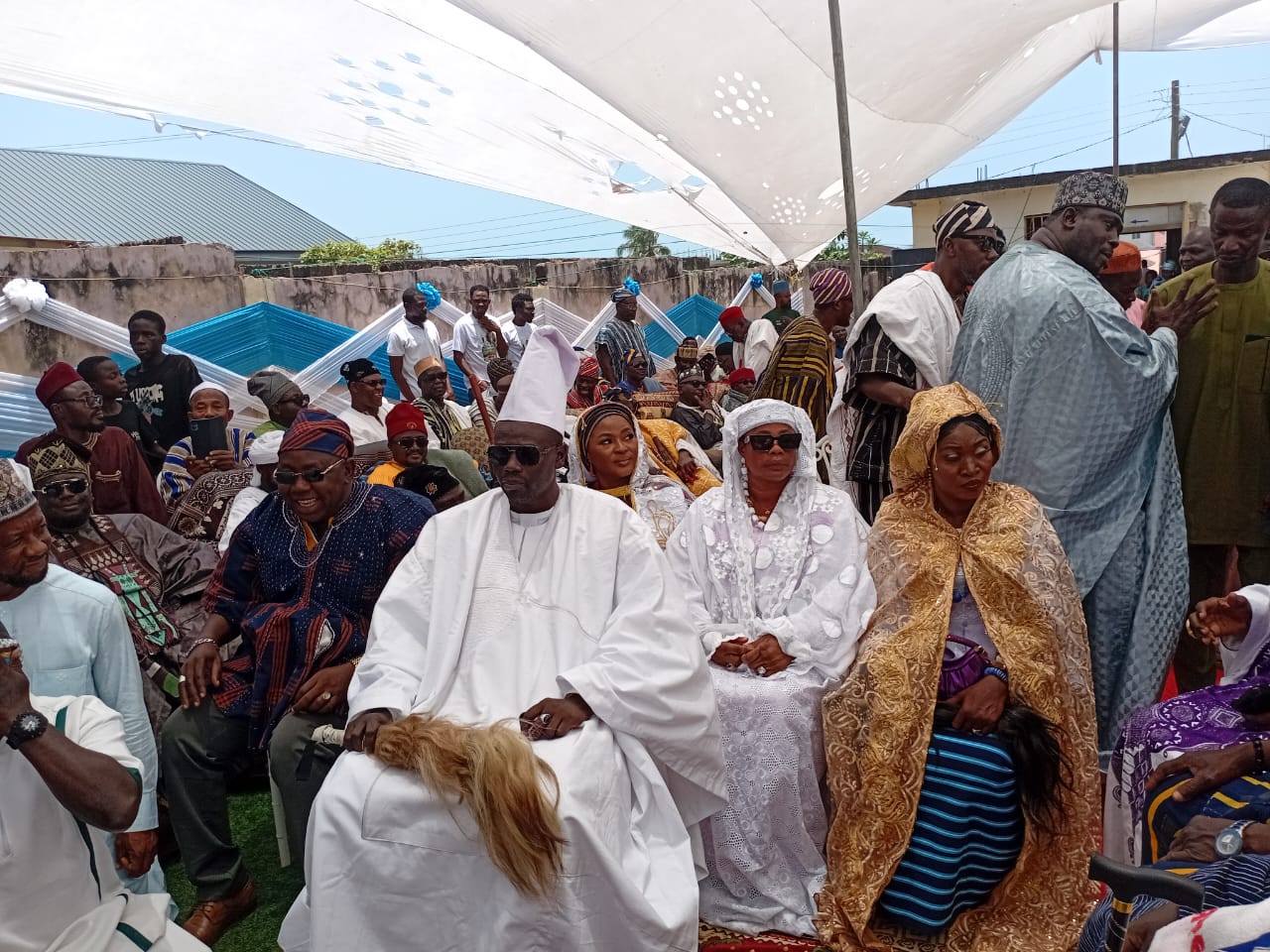
The newly enskinned Waala Naa of the Greater Accra Region, Naa Alhaji Abdul Kardir Ahmed Abdul Kardir, has pledged to make unity, cultural preservation, youth empowerment and socio-economic development the central pillars of his leadership.
His enskinment, held in Accra, brought together traditional authorities, Islamic scholars, elders, government representatives, members of the Waala community and other distinguished guests, signalling the beginning of what community leaders described as a new chapter for the Waala traditional institution in the region.
Naa Alhaji Abdul Kardir said his administration would seek to bring Waala people living in different parts of Greater Accra closer together while creating platforms for dialogue, cooperation and collective action.
“Our strength lies in our unity. We must come together as one people, preserve our identity and work collectively for the development of our community.”
The new chief said his vision extended beyond traditional authority, stressing that the institution must respond to the contemporary social and economic needs of the people while protecting the cultural values inherited from generations.
He identified the preservation and promotion of Waala culture as a key priority, with particular attention to the Waala language, which he said remained an important component of the community’s identity and heritage.
Naa Alhaji Abdul Kardir said initiatives were being considered to address basic community needs and improve the welfare of Waala people, adding that traditional leadership could play an important role in mobilising community resources and partnerships for development.
The enskinment ceremony itself was marked by prayers, traditional rites and religious activities, reflecting the close relationship between traditional heritage and Islamic values within the community.
The presence of the National Chief Imam, Sheikh Dr Osmanu Nuhu Sharubutu, together with other Islamic leaders and traditional authorities, added significance to the occasion and underscored the broad support surrounding the new traditional leadership.
A Leadership Built on Unity
The Galadima of the Greater Accra Waala Chief, Alhaji Abdul Ganiu, said one of the immediate priorities of the new administration would be to unite Waala people living in the various communities across the region.
He observed that Waala families and communities were dispersed across Greater Accra, making it necessary to establish stronger mechanisms for bringing them together to identify common challenges and develop practical responses.
According to him, a united community would be better positioned to advocate for its interests, mobilise resources and establish partnerships with government agencies, private institutions, civil society organisations and other development stakeholders.
Alhaji Abdul Ganiu said the leadership would therefore seek to create a stronger community network capable of identifying areas requiring intervention, particularly in education, employment, social welfare and community development.
“We want to bring our people together under one umbrella so that we can clearly identify our challenges, understand our needs and collectively work towards sustainable solutions.”
Youth at the Centre of the Agenda
Youth empowerment, he said, would also occupy a prominent position on the development agenda, particularly at a time when many young people were seeking opportunities in education, employment, entrepreneurship and skills development.
Alhaji Abdul Ganiu noted that some promising young people within the Waala community faced financial difficulties in pursuing tertiary education, particularly after gaining admission to universities.
He said the traditional leadership would explore mechanisms for supporting such students while also considering broader initiatives that could equip young people with skills and opportunities capable of improving their livelihoods.
He added that the proposed interventions would form part of a wider effort to strengthen the social and economic wellbeing of Waala families across Greater Accra.
A Call for Responsible Leadership
Chairman of the enskinment ceremony, Alhaji Tahiru Alhassan Sawaba, described the occasion as a moment of joy and thanksgiving but cautioned that traditional leadership came with significant responsibilities to the people.
He congratulated Naa Alhaji Abdul Kardir and urged him to approach his new responsibilities with humility, fairness, wisdom, integrity and a strong commitment to reconciliation.
“The true strength of a chief is not simply the authority of the stool or skin, but the trust, respect and confidence of the people.”
Alhaji Sawaba encouraged the new chief to make his palace a place where members of the community could seek counsel, reconciliation and justice, stressing that traditional leadership should be used as an instrument for bringing people together.
He further urged Naa Alhaji Abdul Kardir to maintain close engagement with elders, women, youth, religious leaders, government institutions and other stakeholders in addressing the challenges confronting the Waala community.
He also appealed to members of the Greater Accra Waala community to give the new chief their cooperation, constructive advice and support, emphasising that no traditional leader could achieve meaningful development without the active participation of the people.
A New Chapter
The ceremony was attended by the National Chief Imam, Sheikh Dr Osmanu Nuhu Sharubutu, the Eastern Regional Chief Imam, regional Waala chiefs, Islamic leaders, traditional authorities, community elders and other dignitaries.
Their presence reinforced the significance of the occasion and reflected the expectation that the new traditional leadership would contribute to strengthening unity, cultural identity and community development.
For Naa Alhaji Abdul Kardir, however, the beginning of his reign represents more than a ceremonial transition. It is an opportunity to build stronger bonds among Waala people while positioning traditional leadership as a platform for development.
He pledged to work collaboratively with traditional leaders, religious authorities, elders, women, youth and other stakeholders to advance the collective interests of the Waala community.
The new Waala Naa consequently appealed to all members of the community to unite behind the development agenda, stressing that the success of his leadership would ultimately depend on collective commitment, participation and cooperation.
As the drums of celebration give way to the practical demands of leadership, the new administration faces the task of translating its promises of unity, cultural preservation and youth empowerment into programmes capable of producing tangible benefits for Waala people across Greater Accra.