

Ghana has begun a comprehensive update of its Climate Prosperity Plan (CPP), with government officials and international partners calling for stronger investment pathways, sharper project preparation, and a renewed national commitment to green and resilient economic transformation.
A high-level stakeholder workshop brought together the Ministry of Finance, the Climate Vulnerable Forum (CVF), development partners, private-sector organisations, and technical experts to review the Zero Draft of the updated plan and refine its direction.
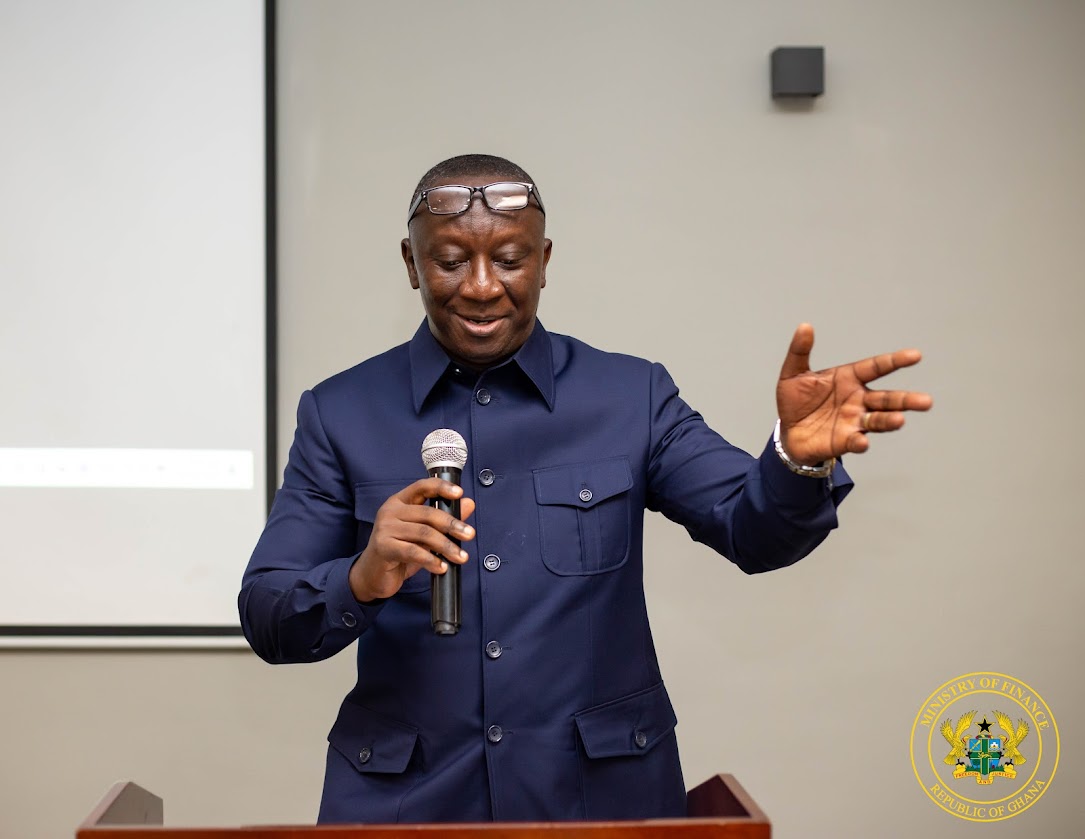
Opening the session on behalf of the Minister of Finance, Director of the Real Sector Division, Mr. Samuel Arkurst, underscored that the CPP remains a central pillar of Ghana’s long-term agenda to link climate action directly with economic transformation. He noted that the review comes amid intensifying climate threats, tightening fiscal conditions, and rising demands for sustainable, job-creating growth.
He emphasised that the CPP is designed as an investment framework, not a policy document—positioning Ghana to unlock opportunities in renewable energy, climate-resilient infrastructure, nature-based solutions, and green industrialization.
A major feature of the update is the alignment of the CPP with government flagship programmes, including the 24-Hour Economy, the Accelerated Export Development Programme, and the Big Push initiative. The alignment will ensure climate-aligned investments directly support national growth priorities while strengthening Ghana’s competitive position in emerging global markets. The revised CPP also incorporates global climate finance reforms and new instruments such as the Loss and Damage Fund, the New Collective Quantified Goal (NCQG), and Article 6 carbon markets, which Ghana intends to leverage to attract expanded financing.
Delivering remarks on behalf of the CVF, Secretary General and former President of the Maldives, Mohamed Nasheed, commended Ghana for its leadership in adopting and advancing a Climate Prosperity Plan. He noted that CPPs are driven by the belief that vulnerable countries must escape cycles of climate risk and economic stagnation by treating climate action as a catalyst for growth.
“Bankability is not a slogan. It is the difference between an idea on paper and an investment that transforms lives,” he stated.
Mr. Nasheed stressed that the updated CPP must sharpen financing pathways and strengthen project pipelines to attract diverse forms of capital. With Official Development Assistance declining and multilateral climate finance remaining slow, he argued that vulnerable economies must develop credible strategies to unlock private capital and reduce investment risks. He highlighted Ghana’s progress in developing de-risking tools and sectoral financing windows, noting that these emerging frameworks position the country to pioneer new financing models that attract institutional investors.
He further emphasised that Ghana and other CVF member states possess valuable natural and demographic assets—forests, fertile lands, water systems, biodiversity, and a dynamic youth population. These, he said, must be strategically leveraged and properly valued to unlock climate finance, nature-based solutions, and export-driven green industries. “Our comparative advantage is not in fossil fuels, but in nature, innovation, our people, and resilience,” he remarked.
Stakeholders were urged to prioritise robust project preparation, integrated investment pipelines, and predictable sequencing to guide both domestic and international investors. The Ministry reiterated that strengthening these elements is essential for the CPP to attract long-term capital for renewable energy, transport transformation, climate-smart agriculture, and resilient urban development.
The updated Climate Prosperity Plan is expected to feature sharper investment cases, stronger financing instruments, and expanded partnerships to mobilise climate and private capital at scale—key ingredients that stakeholders say will determine Ghana’s ability to achieve resilient and inclusive growth in the years ahead.