

Perdita AGYARKO
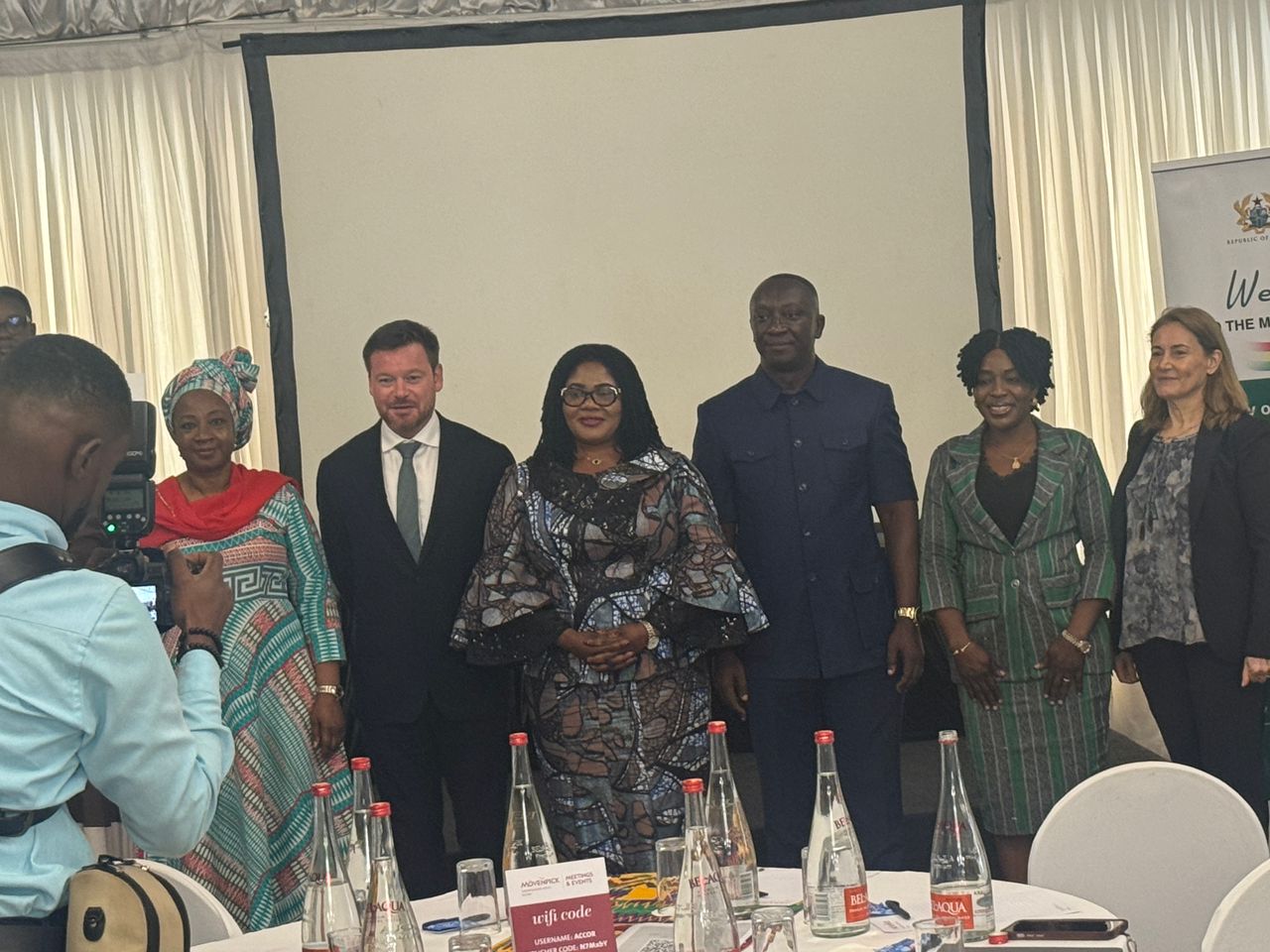
Ghana’s Minister for Gender, Children and Social Protection, Hon. Dr. Agnes Naa Momo Lartey, officially opened a two‑day High‑Level Social Protection Forum on Monday, urging stakeholders to turn dialogue into concrete action. The event, held in partnership with the United Nations Economic Commission for Africa (UNECA), brought together senior officials from the Ministry of Finance, development partners, civil‑society groups and private‑sector representatives.
In her opening remarks, Dr. Lartey highlighted the nation’s progress in building safety‑net systems but warned that gaps in coverage, financing and coordination remain. She cited economic volatility, climate‑related shocks and shifting labour markets as pressing challenges that demand a more dynamic and forward‑looking social‑protection architecture.
Dr. Christian Oldiges, Chief of the Social Policy Section at UNECA, echoed the minister’s concerns. He noted that social protection had become a focal point amid overlapping global crises – the COVID‑19 pandemic, the Ukraine‑Russia war, climate shocks and micro‑economic disturbances. Since May, UNECA has held several engagements with Ghanaian stakeholders to strengthen social‑protection policies and programmes. “Ghana has shown remarkable progress in working to end poverty, although about 40 % of the population continues to live in abject poverty, largely due to strained budget allocations, especially in the northern part of the country,” Oldiges said. He expressed confidence that the government’s ongoing policies and programmes will create better conditions for the people.
The forum is part of a three‑year Ministry of Finance‑UNECA programme aimed at improving vulnerability identification, anticipating shocks and assessing the performance of existing interventions. Over the next two days, participants will review Ghana’s achievements, pinpoint remaining weaknesses and produce practical recommendations for policy coherence, predictable financing and stronger partnerships.
Key expected outcomes include a clearer picture of existing gaps, actionable steps to enhance coordination, and guidance for the next phase of the MoF‑UNECA project. Dr. Lartey called for candid, courageous and collaborative discussions, emphasizing that the true value of the forum will be measured by the actions taken afterward.
The event underscores Ghana’s commitment to the government’s Reset Agenda and its broader goal of leaving no citizen behind, regardless of age, gender, disability or circumstance.