

Story By: Nii Okpoti Odamtten / Muhammad Faisal Mustapha
As the crescent moon signals the beginning of Ramadan across the Muslim world, millions enter a sacred season defined by fasting, prayer, charity, and deep spiritual reflection. In Ghana, where faith continues to shape national identity and civic life, Ramadan transcends ritual observance; it becomes a moral compass for communities and a call to conscience for the nation.
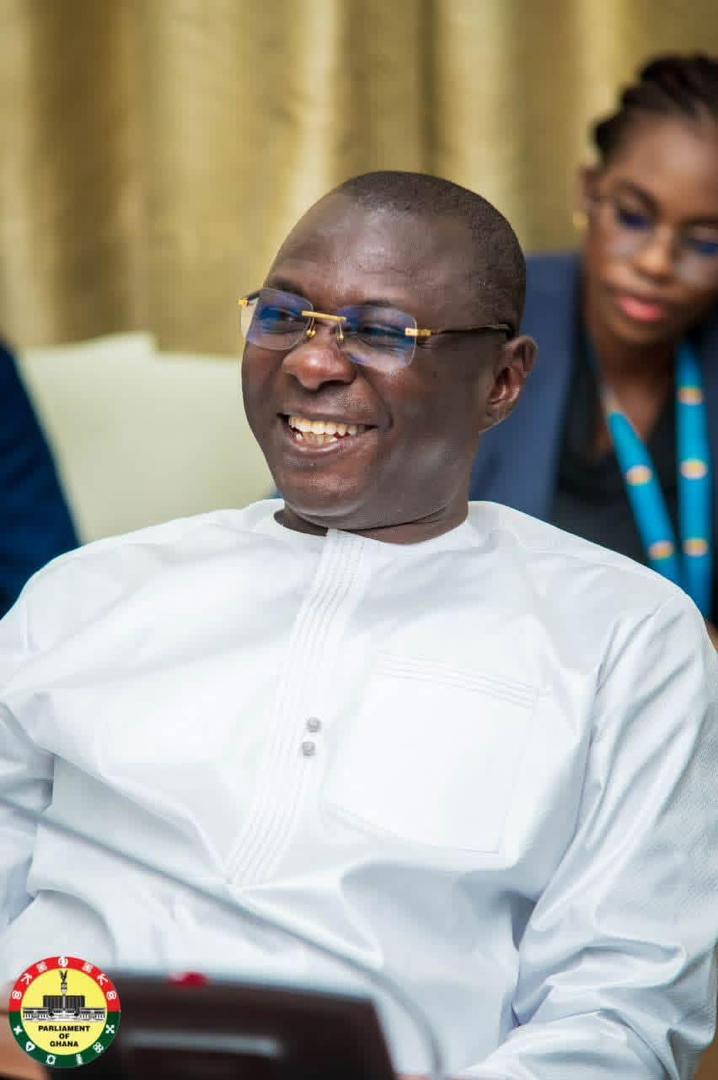
For Hon. Dr. Mohammed Amin Adam, former Finance Minister and Member of Parliament for Karaga Constituency, Ramadan is not only a pillar of faith but a blueprint for national renewal.
“Ramadan is more than abstaining from food and drink. It is a divine training of the soul a month that teaches discipline, compassion, sacrifice, and accountability before God and humanity.”
Observed during the ninth month of the Islamic calendar, Ramadan commemorates the revelation of the Holy Qur’an to the Prophet Muhammad (peace be upon him). From dawn to sunset, Muslims fast refraining from food, drink, and worldly indulgences while intensifying prayer, charity, and acts of kindness.
Dr. Amin Adam explains that the fast cultivates empathy in a way few other spiritual practices can.
“When the wealthy feel hunger and thirst, even briefly, they understand the daily reality of the poor. Ramadan equalizes humanity and awakens our moral responsibility to uplift one another.”
Across Ghana’s towns and cities from the bustling streets of Accra to the savannah landscapes of the North mosques fill nightly for Taraweeh prayers. Families gather at sunset to break their fast in unity. Communities mobilize to distribute food and alms.
But according to Dr. Amin Adam, the significance of Ramadan must extend beyond individual devotion.
“If the lessons of Ramadan remain only in the mosque, then we have missed its purpose. Its values must enter our homes, our markets, our offices, and our national leadership.”
He argues that the principles of Ramadan self-restraint, transparency, generosity, and service are foundational not only to Islam but to good governance and national development.
Ghana, celebrated for its peaceful coexistence among Christians, Muslims, and traditional believers, often witnesses gestures of interfaith solidarity during Ramadan. Christian leaders join Muslim communities for Iftar meals; businesses adjust schedules to accommodate fasting employees.
Dr. Amin Adam sees this as a strength the nation must preserve.
“Ramadan teaches us that diversity is not division. In Ghana, our faith traditions should compete only in righteousness, compassion, and service to the nation.”
He emphasizes that Ramadan reinforces shared values patience, integrity, charity that cut across religious.
As a seasoned economist, Dr. Amin Adam also views Ramadan through a socio-economic lens. The month, he says, encourages moderation in consumption and responsible financial behavior.
“Ramadan is a lesson in economic discipline. It reminds us that prosperity is not measured by excess, but by balance and generosity.”
Charitable giving Zakat and voluntary Sadaqah increases significantly during the month. For him, this culture of giving is a powerful social safety net that complements state led development efforts.
He calls on corporate Ghana and public institutions to emulate the Ramadan spirit year-round by prioritizing social responsibility and ethical leadership.
With Ghana’s youthful population, Dr. Amin Adam believes Ramadan offers a timely opportunity to inspire discipline and purpose among young people.
“Our youth must see Ramadan not as restriction, but as empowerment the empowerment to master the self, to resist corruption, and to build a future anchored in integrity.”
He further stresses that leaders, in particular, must internalize the spirit of accountability embedded in the fast.
“Fasting reminds us that even when no human being is watching, God is watching. Imagine what our nation would become if this consciousness guided every public servant.”
As the month progresses toward Laylatul Qadr the Night of Power Muslims intensify their worship, seeking forgiveness and divine mercy. Yet Dr. Amin Adam’s message is clear: the true measure of Ramadan lies in its aftermath.
“The success of Ramadan is not in how we begin it, but in who we become after it. If we emerge more honest, more compassionate, and more united as a nation, then Ramadan has truly succeeded.”
In a world grappling with moral uncertainty and economic strain, the Ramadan message resonates beyond religious boundaries. It is a reminder that transformation begins within and that national progress is inseparable from personal integrity.
As Ghana joins the global Muslim community in observing this sacred month, Ramadan stands not only as a pillar of faith but as a powerful instrument for national reflection, renewal, and unity.