

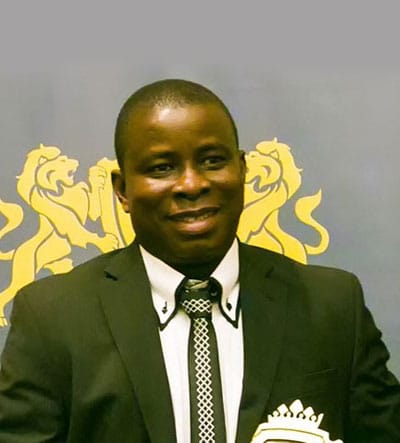
Story By: Felix Ernest Odamtten / Faisal Mustapha Muhammad
As Ghana continues to grapple with devastating floods that claim lives, destroy businesses, and displace families almost every rainy season, renewed attention is being directed toward the country’s urban planning and housing development policies. For Mr. Kofi Anokye, Chief Executive Officer of Koans Estate, the flooding crisis is not simply a consequence of heavy rainfall but the result of years of poor planning, weak enforcement, and unsustainable development.
In an exclusive interview with Felix Ernest Odamtten / Faisal Mustapha Muhammad, Mr. Anokye argued that recurring floods have become one of the greatest threats to Ghana’s urban growth, warning that unless decisive action is taken, the economic and social costs will continue to rise with every passing year.
According to him, inadequate drainage infrastructure remains one of the principal causes of flooding across the country. He noted that drains are often poorly designed, poorly maintained, or unable to accommodate the increasing volume of stormwater generated by rapid urban expansion.
He further identified indiscriminate disposal of refuse into drainage channels, uncontrolled construction activities, encroachment on waterways, and weak enforcement of planning regulations as major contributors to the persistent flooding that affects many communities.
“The floods we experience today are largely preventable,” Mr. Anokye said. “When cities expand without proper planning and environmental responsibility, nature eventually responds. Flooding is the price society pays for ignoring sound development principles.”
The Chief Executive explained that the real estate sector has suffered significantly from recurring floods. Residential properties are damaged, roads and essential infrastructure deteriorate rapidly, and investors become increasingly reluctant to commit resources to communities perceived as high risk locations.
He added that homeowners also bear enormous financial burdens through expensive repairs, rising maintenance costs, declining property values, and the emotional distress associated with repeated flood disasters.
Mr. Anokye believes estate developers have a critical responsibility in reversing this trend. Developers, he stressed, must go beyond constructing houses by integrating resilient drainage systems, preserving natural waterways, and complying fully with planning regulations throughout every stage of development.
While acknowledging that Ghana possesses reasonable building regulations, he maintained that the greatest challenge lies in enforcement. He called for stronger institutional oversight, greater accountability, and uncompromising compliance to ensure that existing laws achieve their intended purpose.
“Regulations without enforcement cannot protect lives,” he emphasized. “Every approved development must meet environmental standards, because one poorly planned project can expose an entire community to disaster.”
Discussing infrastructure, Mr. Anokye described efficient drainage systems as indispensable components of every housing development. Proper drainage, he noted, safeguards human lives, protects valuable investments, and enhances the long term sustainability of residential communities.
He urged government to immediately intensify nationwide desilting exercises, modernize drainage networks, remove illegal structures obstructing waterways, enforce planning laws consistently, and strengthen environmental sanitation education among citizens.
On construction within waterways and flood-prone zones, Mr. Anokye expressed an uncompromising position. He argued that such developments should be prohibited entirely because no economic gain can justify exposing lives and public infrastructure to avoidable danger.
Recognizing the scale of investment required, he advocated stronger public private partnerships capable of mobilizing finance, engineering expertise, innovative technologies, and long-term maintenance strategies for modern urban drainage systems across Ghana.
For prospective homebuyers, Mr. Anokye advised exercising due diligence before purchasing property. He encouraged buyers to verify land ownership documents, investigate the flood history of prospective locations, assess drainage infrastructure, and work only with reputable developers committed to responsible planning.
Looking ahead, he called for comprehensive urban planning supported by sustained investment in resilient infrastructure, environmental conservation, effective land-use management, and continuous public awareness campaigns that encourage responsible environmental practices.
“Our cities must be designed not only for today’s population but for future generations,” Mr. Anokye concluded. “Flood resilience is an investment in national development, economic stability, and the protection of human life.”
As climate change continues to intensify extreme weather events worldwide, Mr. Kofi Anokye’s message resonates far beyond Ghana’s real estate industry. His appeal underscores a growing consensus among development experts that sustainable planning, responsible construction, effective governance, and collective public action are indispensable if Ghana is to build safer, more resilient cities capable of withstanding the environmental challenges of the future.