

Story By: Felix Ernest Odamtten / Muhammad Faisal Mustapha
National security is increasingly recognised as one of the defining pillars of sustainable development, democratic governance and economic resilience. Across Africa and beyond, governments are reassessing how they protect citizens, critical infrastructure and national institutions amid rapidly evolving threats ranging from terrorism and organised crime to cyberattacks and economic sabotage. In Ghana, this transformation has elevated the importance of strategic coordination at the highest levels of the security architecture.
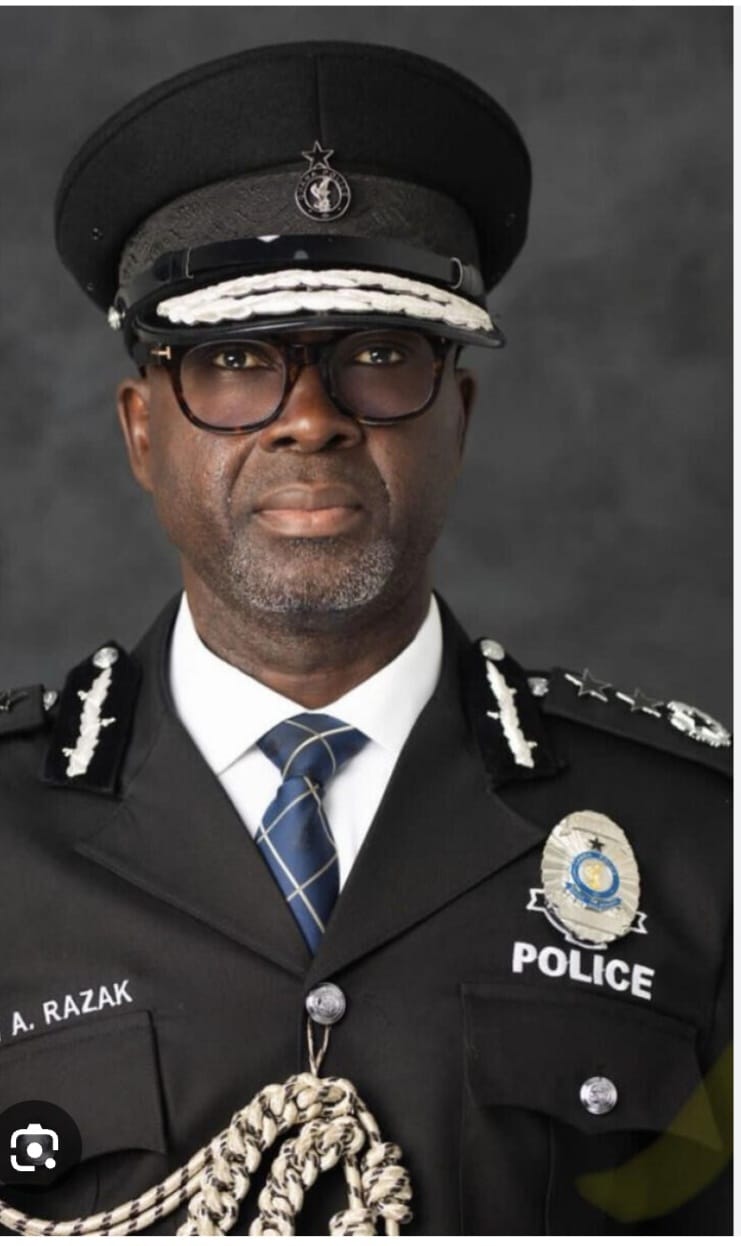
At the centre of this evolving landscape is COP Osman Abdul Razak, Ghana’s National Security Coordinator, whose role reflects a broader shift from conventional policing towards intelligence led, multi agency national security management. His responsibilities extend beyond law enforcement to integrating intelligence, coordinating institutions and strengthening national preparedness against emerging security challenges.
Security experts increasingly argue that modern national security is no longer measured solely by the ability to respond to crises after they occur. Instead, it is defined by anticipation, prevention, intelligence gathering and institutional coordination. These principles have become central to Ghana’s contemporary security approach as government agencies seek to improve operational efficiency and strategic decision making.
As National Security Coordinator, COP Osman Abdul Razak occupies a position that requires balancing operational effectiveness with constitutional governance, ensuring that security institutions function cohesively while respecting democratic principles, the rule of law and civil liberties. This delicate balance remains essential to maintaining public confidence in state institutions.
International investors consistently identify political stability and public security as major determinants of investment decisions. A secure operating environment lowers business risks, protects investments and enhances economic competitiveness. Ghana’s relatively stable security environment has therefore become an important component of its broader economic development agenda.
The connection between national security and economic growth continues to attract increasing attention from policymakers. Stable nations generally experience stronger investor confidence, increased tourism, expanding trade opportunities and more resilient financial markets. Security, therefore, is increasingly viewed not simply as a public service but as a strategic economic asset.
Protecting critical national infrastructure has become one of the defining priorities of twenty first century security planning. Energy installations, ports, airports, communication systems, transportation networks, financial institutions and digital infrastructure require sophisticated protection against both physical and cyber threats. Coordinated security planning has consequently become indispensable.
Cybersecurity represents one of the fastest growing dimensions of national security worldwide. As governments digitise public services and economies become increasingly interconnected, cyber resilience has emerged as a strategic necessity. Preparing institutions to confront cybercrime, digital espionage, misinformation campaigns and artificial intelligence driven threats requires continuous innovation and specialised expertise.
Intelligence sharing among domestic and international security agencies has similarly become indispensable in combating transnational organised crime, terrorism, human trafficking, narcotics smuggling and financial crimes. No nation can effectively address these threats in isolation, making regional cooperation increasingly vital.
Ghana continues to strengthen collaboration with regional and international partners through intelligence exchanges, joint security operations and multilateral engagements. Such cooperation contributes not only to Ghana’s national security but also to wider peace and stability across West Africa, where cross border security challenges demand collective responses.
Leadership within national security institutions requires calm judgement, strategic foresight and disciplined decision making, particularly during periods of uncertainty. Effective coordination often occurs away from public attention, yet it remains fundamental to crisis prevention, institutional resilience and national preparedness.
Professionals within the security sector increasingly emphasise that resilience begins long before emergencies arise. Building resilient institutions involves continuous training, technological investment, scenario planning, inter agency collaboration and effective risk assessment. These measures strengthen national capacity to withstand evolving threats.
COP Osman Abdul Razak’s career reflects the growing evolution of security leadership from traditional operational command to strategic national coordination. His progression illustrates how contemporary security professionals increasingly require expertise in intelligence management, institutional collaboration, public administration and strategic planning.
Observers note that Ghana’s security architecture continues to evolve alongside global developments in homeland security, digital governance and intelligence integration. This evolution positions the country to respond more effectively to increasingly complex security environments while preserving democratic accountability and institutional integrity.
Beyond conventional security threats, governments must now address climate related emergencies, cyber disruptions, public health crises, disinformation campaigns and economic vulnerabilities. These interconnected risks require comprehensive national strategies that integrate multiple sectors into coordinated preparedness frameworks.
Security analysts frequently observe that national resilience depends not only on the strength of security agencies but also on effective cooperation between government institutions, private sector organisations, civil society and local communities. Building trust across these sectors enhances national preparedness and crisis response capabilities.
As West Africa confronts increasingly complex geopolitical and security dynamics, Ghana’s emphasis on professional coordination, intelligence led operations and institutional collaboration offers valuable lessons for the region. Strengthening governance while safeguarding national stability remains essential to sustainable development and democratic consolidation.
For international audiences, Ghana’s experience demonstrates that effective national security extends far beyond military strength or policing. It encompasses economic confidence, technological preparedness, institutional integrity, regional cooperation and the protection of democratic values that underpin long term national prosperity.
Ultimately, the responsibilities entrusted to COP Osman Abdul Razak underscore the significance of strategic leadership in an era where security challenges transcend borders and traditional definitions. As Ghana continues to modernise its national security architecture, the emphasis on professionalism, coordination, intelligence and resilience will remain indispensable in protecting citizens, strengthening democratic institutions and supporting sustainable national development.