

By: Muhammed Faisal Mustapha/Nii Okpoti Odamtten
Every morning before dawn breaks, thousands of trotro drivers across Ghana leave their homes in search of daily bread. They endure long hours behind the steering wheel, navigate through heavy traffic, face harsh weather conditions, and shoulder the responsibility of transporting millions of Ghanaians safely to their destinations.
Yet, despite the critical role they play in keeping the country’s economy moving, many trotro drivers continue to suffer in silence.
Trotro drivers are among the unsung heroes of Ghana’s transportation system. It is estimated that more than 75 percent of Ghanaians rely on commercial buses, popularly known as trotros, for their daily transportation needs. Market women, traders, teachers, nurses, journalists, police officers, military personnel, court staff, civil servants, students, and countless others depend on these drivers every day.
Without trotros, many workplaces, schools, hospitals, and markets would struggle to function efficiently. Their contribution to national productivity and economic growth cannot be overstated.
Sadly, despite this enormous contribution, trotro drivers are often looked down upon. Many are unfairly labelled as illiterates and treated with little respect simply because society assumes they have little or no formal education. This perception ignores the fact that many of these drivers are responsible, hardworking individuals who sacrifice their comfort daily to serve the public.
As community-based journalists, we decided to investigate some of the challenges confronting trotro drivers. To better understand their concerns, we spent time on the roads and even posed as trotro mates. What we discovered was disturbing and heartbreaking.
Many drivers complain of constant harassment by some police officers on the roads. Beyond legitimate law enforcement duties, some drivers allege that they are subjected to intimidation, unnecessary delays, and in some cases, financial losses arising from confrontations with officers.
Several drivers narrated how passengers are sometimes forced to disembark from their vehicles after disputes with police officers, causing embarrassment to the drivers and inconvenience to commuters. In many cases, these incidents result in significant financial losses because the drivers lose both time and potential income.
Even more worrying are claims from some drivers that personal disagreements, misunderstandings, or even facial expressions have occasionally been interpreted negatively by certain officers, leading to confrontations that could otherwise have been avoided.
The Courtroom Fear
For many trotro drivers, the greatest fear begins when a roadside confrontation ends in court.
Some drivers allege that after disagreements with police officers, they are arrested and prosecuted for various offences. Whether guilty or innocent, many of them enter the courtroom frightened and confused.
According to multiple sources, many drivers say they live in constant fear of encountering some unprofessional police officers who allegedly accuse them of offences they did not commit. Others also claim that certain officers treat them as though they have personally wronged them, rather than simply enforcing the law.
The courtroom environment itself can be intimidating. Standing before a judge beneath the National Coat of Arms is enough to make even highly educated individuals nervous. For drivers with little formal education and no legal training, the experience can be overwhelming.
Many appear in court without legal representation. Some struggle to understand legal procedures, while others find it difficult to explain their side of the story effectively. Out of fear and panic, they often remain silent or fail to communicate important facts that could assist their defence.
The result is a growing feeling among many drivers that they are vulnerable and alone when confronted by the justice system.
A Call for Fairness and Protection
This article is not intended to shield drivers who deliberately break the law. Road safety regulations exist for a reason and must be respected by all road users.
However, there is also a need to ensure that every driver is treated with dignity, fairness, and respect. Law enforcement must always be professional, impartial, and guided by justice.
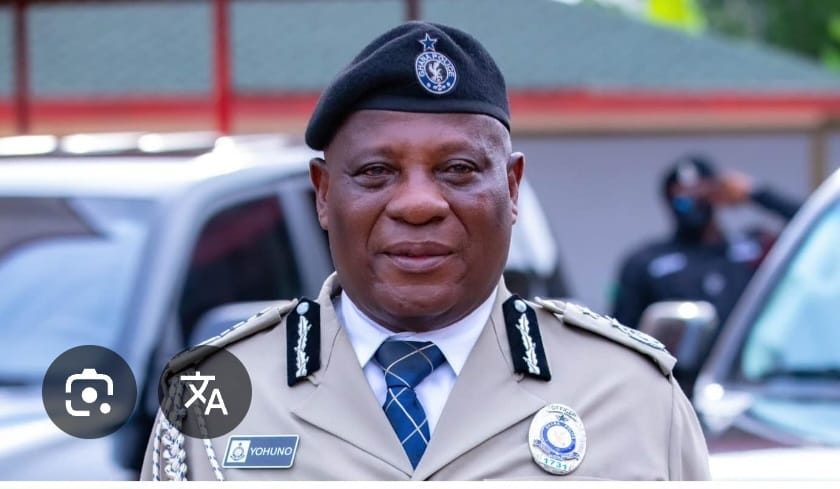
We therefore respectfully call on the Inspector-General of Police (IGP) to strengthen oversight mechanisms and ensure that officers who interact with commercial drivers conduct themselves professionally at all times.
We also appeal to the Chief Justice to explore measures that can improve access to justice for vulnerable road users, including commercial drivers who may not fully understand court procedures or cannot afford legal representation.
A Stronger Role for GPRTU
The Ghana Private Road Transport Union (GPRTU) must also rise to the occasion.
The union should intensify education and orientation programmes for drivers on their rights, responsibilities, and obligations under the law. Drivers must be equipped with the knowledge needed to navigate interactions with law enforcement officers respectfully and lawfully.
Beyond education, the union should establish stronger legal support systems for its members. Emergency legal assistance, legal aid desks, and dedicated hotlines could help drivers facing challenges on the road or in court.
A driver who spends his entire day transporting citizens should not feel abandoned when confronted with legal or administrative difficulties.
The Human Side We Often Ignore
Behind every trotro steering wheel is a human being.
A father struggling to pay school fees.
A husband trying to provide for his family.
A young man working tirelessly to survive in a difficult economy.
When a trotro driver loses an entire day’s income because of avoidable harassment or unnecessary delays, it is not only the driver who suffers. His wife suffers. His children suffer. His dependents suffer.
As a nation, we must begin to see trotro drivers not merely as operators of commercial vehicles but as hardworking citizens whose contribution deserves recognition, protection, and respect.
The wheels of Ghana move because they move.
It is time their voices were heard.
As the saying goes, until the lion tells its own story, the hunter will always be celebrated as the hero while the lion is portrayed as the villain. It is time for the narrative to change by ensuring that every side of the story is heard.