

Story By: Nii Okpoti Odamtten & Muhammad Faisal Mustapha…
The escalating battle against illegal mining in Ghana locally known as galamsey is increasingly exposing the dangerous intersection between environmental crime, political influence, and organized criminal networks determined to protect a lucrative underground economy worth millions of dollars.
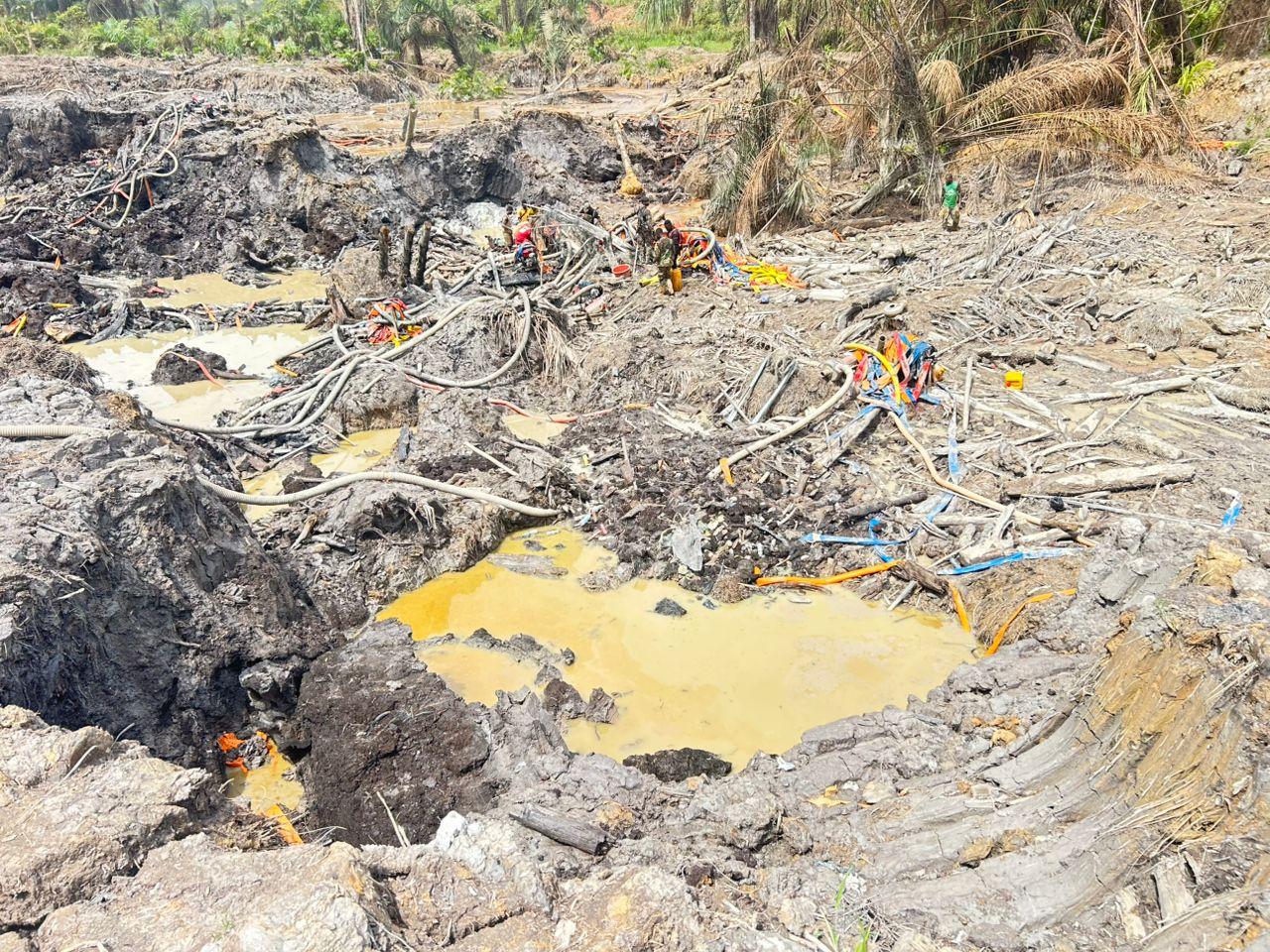
For decades, illegal mining activities have devastated major river bodies, polluted drinking water sources, destroyed fertile farmlands, and depleted forest reserves across the country. Despite successive governments pledging to eradicate the menace, the illicit trade continues to thrive, fueled by sophisticated syndicates and alleged networks of influence operating behind the scenes.
Analysts and environmental advocates describe galamsey as more than a mining problem. To many, it represents a deeply entrenched criminal enterprise sustained by financial power, political connections, and strategic infiltration into key sectors of society.
At the forefront of the current anti galamsey operations is the National Anti Illegal Mining Operations Secretariat (NAIMOS), a state institution that has intensified efforts to dismantle illegal mining networks operating across several regions.
Over recent months, NAIMOS has emerged as one of the most active institutions confronting illegal mining operators, arresting several environmental criminals (foreign and local) directly caught perpetrating galamsey, seizing equipment, disrupting illegal sites, and increasing pressure on financiers allegedly linked to the destruction of the environment.
Yet, according to observers and sources familiar with ongoing operations, the agency’s aggressive posture which has resulted in current gains has also triggered fierce resistance from alleged galamsey kingpins and criminal cartels whose economic interests are being threatened.
At the center of these operations is Colonel Dominic Buah, whose leadership and operational experience have drawn praise and national applause amidst perceived push back by a few veiled persons and authorities.
Security observers say Colonel Buah’s strategic approach to the current campaign, his proven integrity, professionalism and field experience have significantly strengthened enforcement efforts against illegal mining activities, making him one of the key figures in the country’s environmental protection campaign.
Sources close to anti illegal mining operations indicate that his leadership has contributed to several successful interventions targeting illegal mining syndicates operating in sensitive ecological zones.
“When experienced officers lead these operations, it becomes difficult for criminal networks to operate freely. That is why some of these cartels see such leaders as obstacles to their interests,” a security analyst familiar with anti galamsey operations disclosed.
Insiders further allege that growing pressure is being mounted against officials within NAIMOS by individuals believed to have links to illegal mining operations. Though such allegations remain unverified, they have intensified concerns about the extent of influence criminal networks may wield in attempts to frustrate enforcement efforts.
Some observers argue that the resistance faced by anti galamsey officers reflects the enormous financial stakes connected to illegal mining activities.
“The fight against galamsey is no longer just an environmental issue; it has become a battle against highly organized interests with deep financial and political connections,” an environmental governance expert stated.
Others believe that sustained political backing will be critical if institutions like NAIMOS are to succeed in protecting the country’s natural resources.
Environmental groups and civil society organizations have therefore called on the government, The Presidency and Minister for Lands and Natural Resources to provide stronger institutional protection for officers spearheading the anti illegal mining campaign.
According to advocates, experienced operational leaders remain essential in the effort to reclaim polluted rivers, restore degraded lands, and protect forest reserves from further destruction.
“Ghana needs courageous and experienced leadership to confront the illegal mining crisis decisively. Without that resolve, the destruction of water bodies and forests may continue unchecked,” a source close to environmental advocacy efforts emphasized.
The environmental consequences of galamsey continue to alarm experts nationwide. Several rivers that serve as sources of drinking water have reportedly suffered severe contamination from mercury and other hazardous chemicals used in illegal mining activities.
Forest reserves and agricultural lands have also experienced extensive degradation, raising fears over food security, biodiversity loss, and long term ecological damage.
Despite the growing pressure and resistance, many Ghanaians believe the current anti galamsey operations represent one of the country’s most critical tests in confronting corruption, environmental destruction, and organized criminal activity.
For many observers, the success of the campaign will depend not only on law enforcement operations, but also on the political will to protect institutions and officers committed to safeguarding the nation’s natural resources.
As the battle intensifies, calls continue to grow for national unity, stronger enforcement mechanisms, and unwavering support for those leading the difficult fight against illegal mining.