

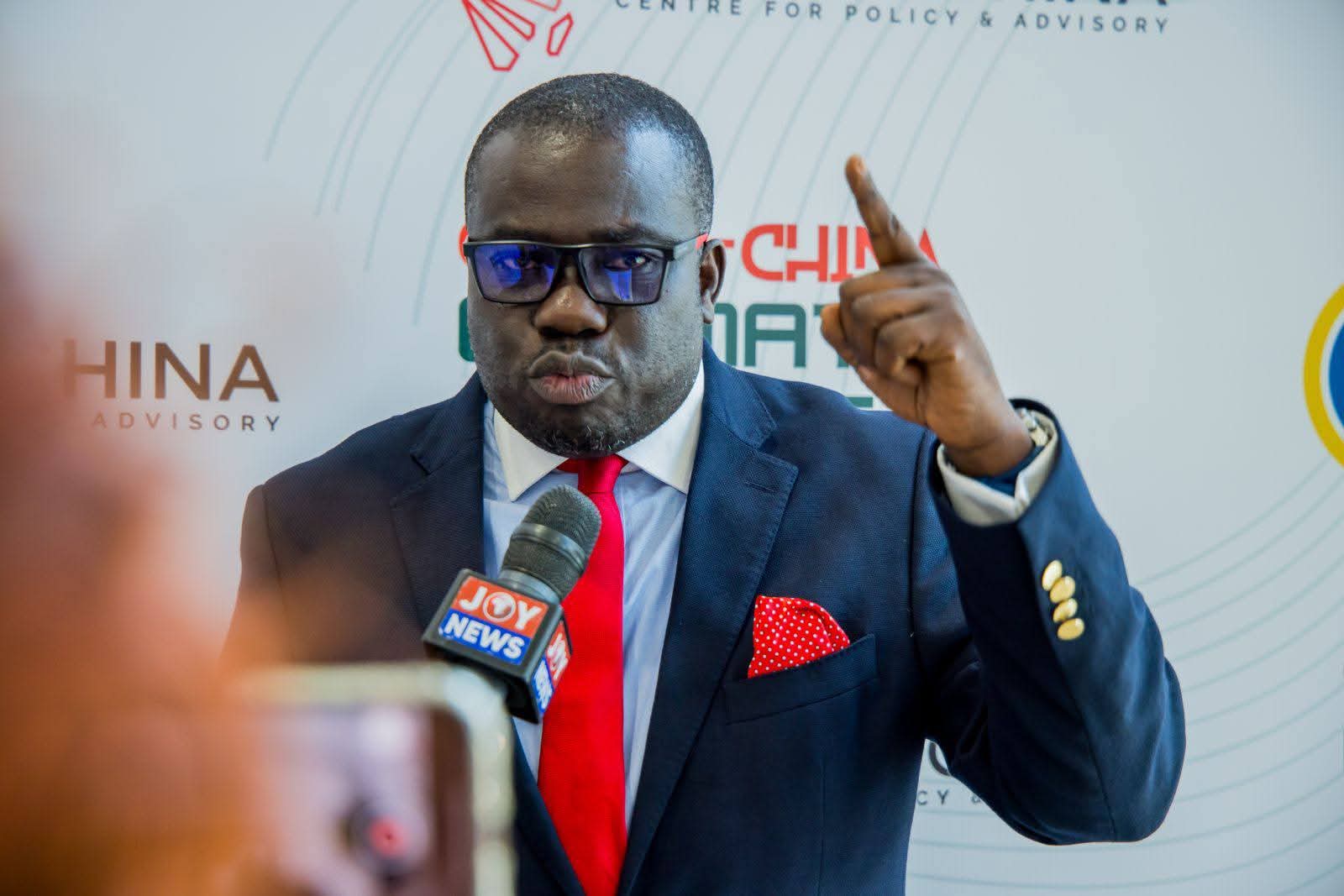
Lawyer and former Member of Parliament for Dormaa East and a former member of Parliament’s Mines and Energy Committee, Paul Apreku Twum Barimah, has called on the government to urgently provide a clear and comprehensive energy management plan in response to the country’s worsening power situation following a reported loss of about 1,000 megawatts in generation capacity.
He made the appeal in the wake of a fire outbreak at a substation operated by the Ghana Grid Company Limited at Akosombo, which has significantly affected national power supply and raised fresh concerns about the stability of Ghana’s electricity system. The incident has contributed to a drop in installed capacity from an estimated 5,200 megawatts to about 4,200 megawatts, according to energy sector assessments cited in public discourse.
In a statement, Mr Twum Barimah expressed concern that the situation could deepen existing power supply challenges and potentially push the country back into prolonged electricity interruptions commonly referred to as dumsor. He noted that even before the incident, Ghana’s power generation had been under pressure due to demand constraints and operational inefficiencies.
He said the response from government, particularly the decision by the Energy Minister, John Abdulai Jinapor, to constitute a committee to address the situation, was unnecessary and would not provide the immediate solution required. He argued that committees, in his view, would only delay urgent action and add cost to the state without directly resolving the crisis.
According to him, the priority should instead be the immediate deployment of modern, high capacity generators and other critical equipment to support restoration efforts at the damaged Akosombo substation and stabilise the national grid. He maintained that such interventions would provide quicker relief to businesses and households currently experiencing power interruptions.
Mr Twum Barimah further urged government to prioritise speed in repair works at the affected facility, stressing that the situation should be treated as an emergency requiring immediate and decisive action to restore full operational capacity.
He also called on President John Dramani Mahama and the Energy Minister to communicate clearly to the public on the specific measures being implemented to manage the shortfall in generation capacity and prevent a prolonged power crisis.
A key proposal he advanced was the introduction of a transparent load management timetable to guide electricity distribution during the period of reduced generation. He explained that such a measure would help ensure fairness in supply allocation, reduce uncertainty among consumers, and provide businesses with the ability to plan their operations more effectively.
He observed that over the past several weeks, many parts of the country have experienced persistent and unannounced power outages, a situation he said has disrupted both household activities and commercial operations. He added that the challenge has been compounded by recent increases in electricity tariffs, which have heightened public concern over affordability and reliability of power supply.
Mr Twum Barimah emphasised that the current reduction in available capacity makes it necessary for authorities to adopt a structured and transparent approach to power distribution in order to safeguard economic activity and social stability.
He noted that although Ghana’s installed generation capacity has grown significantly over the years, structural inefficiencies and infrastructure limitations have prevented the system from operating at optimal levels, making it vulnerable to shocks such as the recent incident.
The former legislator, who entered Parliament in 2020 after working in Ghana’s energy sector and with multinational upstream oil and gas companies, stressed that the current situation demands urgent leadership, clear communication, and practical interventions rather than administrative processes that do not immediately address the supply gap.
He concluded that restoring public confidence in the energy sector would depend on how quickly and transparently government responds to the current challenges, warning that prolonged uncertainty could further strain businesses and households across the country.