

As ADHD Awareness Month runs through October, a Ghanaian start-up is arguing that digital inclusion should cover how apps feel to use, not only whether people can get online.
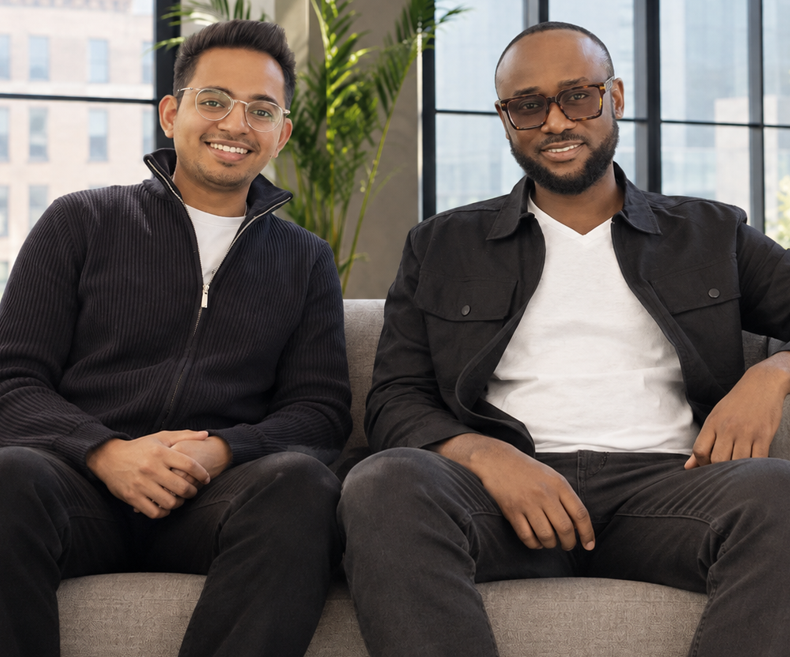
NeuroDigital Support, founded by Ghanaian entrepreneur Kofi Ofori-Mensah with co-founder Shubham Nagore, is developing a platform called NuroTok for autistic and other neurodivergent users, including people with Attention-Deficit/Hyperactivity Disorder (ADHD). The company says the tool will let users build a personal sensory profile and use a toolkit to spot what in their digital routine may be overwhelming them, from constant notifications to endless scrolling.
The pitch touches a gap in Ghana’s conversation about disability. Smartphones and social media are now part of daily life, yet there is little local research on how people with ADHD experience them, and scarce national data on the condition itself.
What the numbers show
The Ghanaian studies that do exist come mostly from primary schools and vary widely with method and location. A survey of 1,540 pupils in Oforikrom, Kumasi, found 5 per cent showed ADHD symptoms on a standard rating scale. A study of 400 pupils in Hohoe in the Volta Region put the figure at 12.8 per cent. Research in a cluster of primary schools in Accra’s Ayawaso sub-metro reported 19.1 per cent. The authors of the Hohoe study noted that few studies on ADHD prevalence and its effects on schooling had been done in Ghana.
ADHD is a neurodevelopmental condition affecting attention, activity and impulse control, not a matter of discipline, and people experience it differently. Some find a stream of alerts and fast-changing content makes it harder to manage interruptions or set limits on screen time. Others rely on online tools to learn, communicate and stay organised.
Design from the start
The founders’ case is that developers should plan for a range of minds from the outset, rather than expecting everyone to adapt to one design. According to the company, Ofori-Mensah’s interest draws on a background in social care and academic research on social media marketing and the experiences of neurodivergent users.
NeuroDigital Support says the aim is not to treat ADHD through an app but to test whether better-designed tools can support people’s preferences and daily routines. It wants technology firms, researchers, disability groups and people with lived experience to work together, and says any Ghanaian effort must reflect local realities such as language, uneven access to support services and differing levels of digital literacy.
Still a concept
NuroTok is still in development. It has not been released publicly, and no independent testing or published evidence of its effect on users is available. The company says progress will depend on listening to intended users, protecting their privacy and showing that the tools bring real benefit.
Privacy will be a live question. A tool that records how users respond to sensory input would collect personal information, and Ghana’s Data Protection Commission has declared 2026 a year of enforcement for organisations that process personal data.
Meta description: For ADHD Awareness Month, Ghanaian start-up NeuroDigital Support pitches NuroTok, a developing tool to help neurodivergent users manage digital overload.