

Story By: Mohammed Faisel Mustapha / Felix Ernest Odamtten…
The discovery of dangerously high blood pressure among young adults who appeared healthy has prompted St. Michael’s Specialist Hospital (SMSH) to issue a strong public health warning, highlighting the growing threat of undetected cardiovascular conditions among Ghana’s working age population.
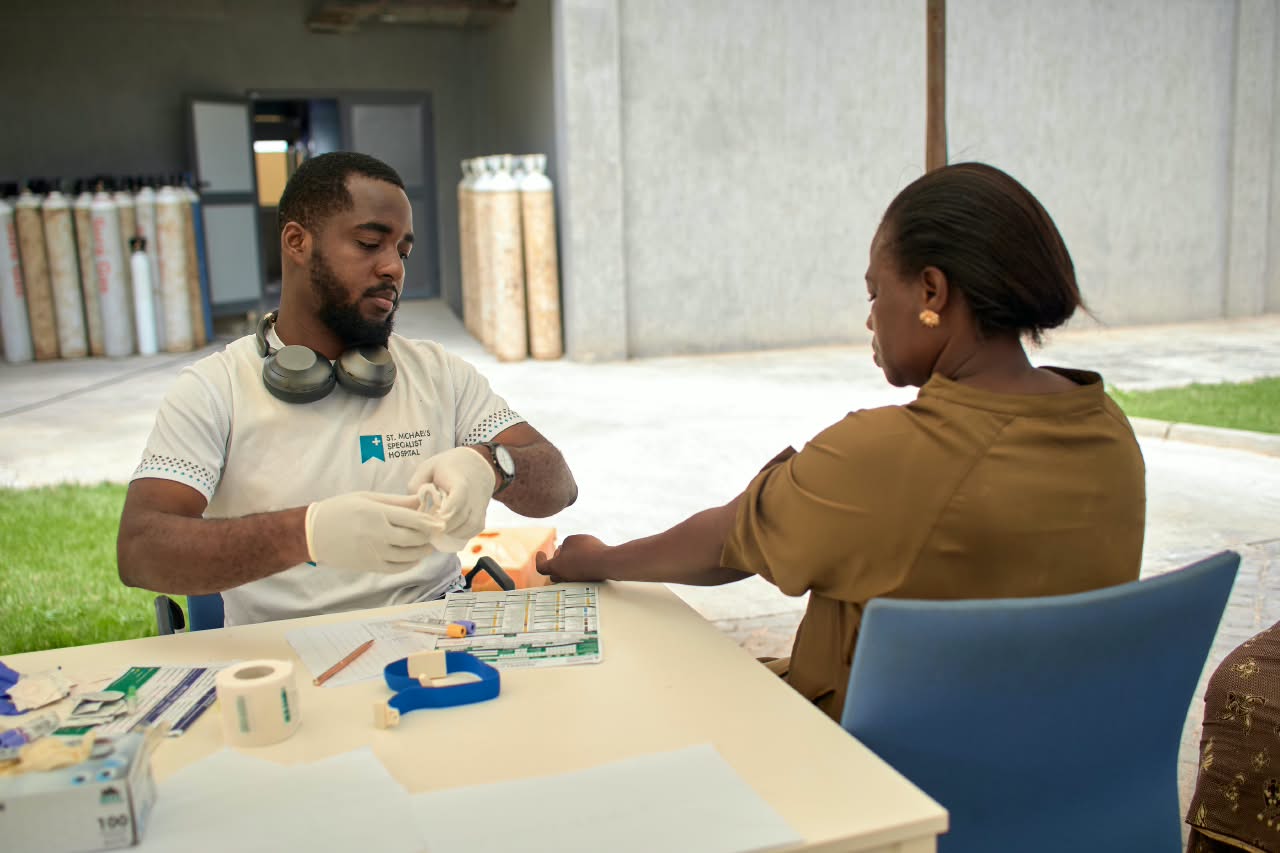
The hospital raised the concern following a community health screening organised to commemorate its third anniversary and World Heart Day, during which medical professionals identified alarming cases of severe hypertension among participants in their late twenties and early thirties.
Some individuals reportedly recorded blood pressure readings exceeding 200/120 mmHg despite displaying no noticeable symptoms, an unsettling finding that underscores the potentially life threatening consequences of leaving hypertension undiagnosed and untreated.
The findings have reinforced concerns among healthcare professionals that high blood pressure is not exclusively a condition of old age, but a serious health risk that can affect young, economically active people whose demanding schedules may leave little room for routine medical examinations.
She explained that hypertension could develop and progress without obvious warning signs, allowing damage to vital organs to occur before an affected person recognised the need for medical attention.
“Hypertension is often described as the silent killer because many people can live with dangerously elevated blood pressure without experiencing symptoms,” Dr. Brown warned, emphasising the importance of regular screening and timely intervention.
She cautioned against the tendency to seek medical care only when symptoms such as chest discomfort, severe headaches or other worrying physical changes emerged, noting that waiting for such warning signs could delay diagnosis and increase the risk of serious complications.
For young adults, the implications are particularly significant. Many are engaged in employment, business, education and family responsibilities, yet may consider themselves too young to develop cardiovascular problems. Such assumptions, health professionals warn, can create a false sense of security.
Dr. Brown’s concerns reflect the broader importance of identifying cardiovascular risk factors early, particularly hypertension, which, when uncontrolled, can contribute to heart disease, stroke, kidney damage and other potentially fatal conditions.
Dr. Laurencia Ankomah, Clinical Coordinator at SMSH, said the hospital had incorporated cardiovascular screening and diagnostic services into its outpatient and emergency care systems to improve early detection and ensure that patients received appropriate medical attention.
She stressed that routine medical examinations were essential for identifying elevated blood pressure, high blood sugar and abnormal cholesterol levels, all of which could increase a person’s risk of cardiovascular complications.
“Feeling healthy does not necessarily mean that your blood pressure is normal. Regular medical checks can identify problems before they develop into serious complications,” Dr. Ankomah said, urging young people to make preventive healthcare a priority rather than an occasional consideration.
The hospital’s cardiovascular assessment services include lipid profile testing, blood sugar monitoring, electrocardiograms (ECGs) and other diagnostic procedures designed to help clinicians identify abnormalities and determine the appropriate course of care.
These services are supported by specialised facilities, including a 20 bed Intensive Care Unit, three operating theatres, cardiology consultation services and clinical dietetics support for patients requiring further assessment, treatment or ongoing management.
Madam Tina, Nurses Manager at SMSH, said the hospital’s responsibility extended beyond identifying abnormal screening results to ensuring that affected individuals received prompt clinical assessment and appropriate follow up care.
She explained that patients whose blood pressure readings raised concerns during triage were referred for physician consultation, allowing medical professionals to evaluate their condition and determine the necessary intervention.
The approach highlights an important distinction in preventive healthcare: screening can identify a potential problem, but timely clinical assessment, accurate diagnosis, appropriate treatment and continued monitoring are essential to reducing the risk of complications.
As part of the anniversary and World Heart Day activities, SMSH also collaborated with the National Blood Service to organise a voluntary blood donation exercise that generated 41 units of blood for national reserves.
The contribution is expected to support surgical procedures, trauma management and other essential medical needs, demonstrating the hospital’s commitment to initiatives that extend beyond its immediate clinical services and contribute to the wider healthcare system.
Its message is clear: hypertension should not be judged by age, appearance or the absence of symptoms. A simple health check can uncover a potentially dangerous condition and create an opportunity for timely intervention. Where blood pressure readings are extremely high, particularly around or above 180/120 mmHg, urgent medical assessment is necessary; readings accompanied by chest pain, breathlessness, weakness, confusion or changes in vision warrant emergency care.
As St. Michael’s Specialist Hospital reflects on its third anniversary, the reported screening findings offer a sobering reminder that protecting Ghana’s younger population requires a stronger culture of prevention, regular health checks and informed decisions about personal wellbeing. For a generation powering the nation’s economy and supporting its families, the hospital’s warning is an urgent call to take cardiovascular health seriously before a silent condition becomes a life threatening emergency.