

Story By: Felix Ernest Odamtten / Muhammed Faisal Mustapha…
The Osu Oblantai Manye, Her Royal Highness Naa Maku Osɔŋnaa I, has endorsed the CrossRem initiative as a potential tool for improving transparency, accountability and efficiency in the delivery of educational support to needy children in Ghana.
The digital remittance and e-commerce initiative is designed to enable people, particularly those living outside Ghana, to purchase goods and essential services directly for beneficiaries rather than sending cash through intermediaries.
“With CrossRem, the person donating does not necessarily have to send cash to someone to go and buy the items. The donor can identify what is needed and make the purchase directly through the platform.”
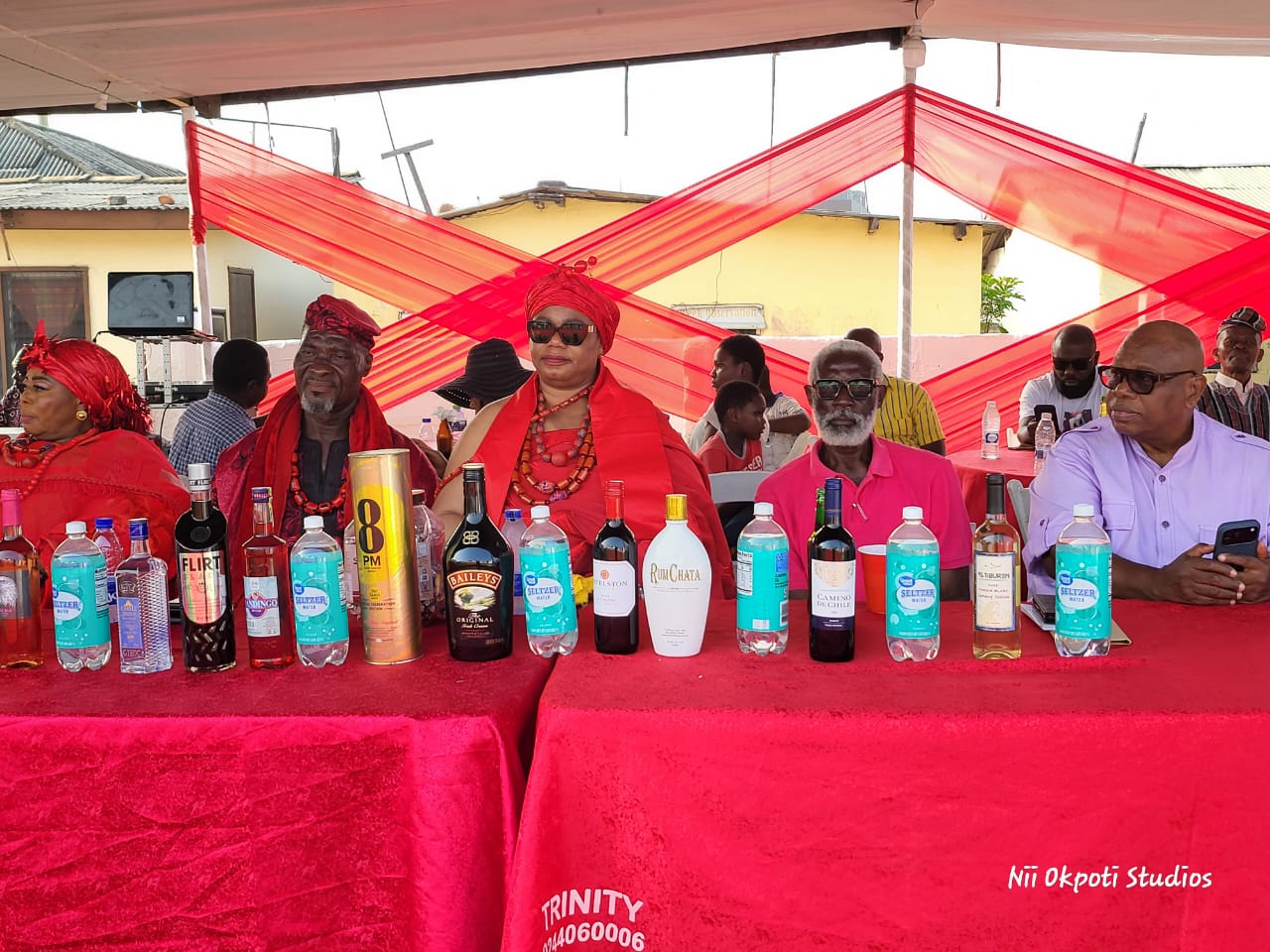
Naa Maku Osɔŋnaa I expressed her support on the sidelines of the Osu Homowo Festival, where she organised a durbar for the youth and elders of Osu Lomo We to discuss the importance of education and the collective responsibility of the community to invest in the future of its children.
The engagement formed part of her broader efforts to mobilise community support for vulnerable children through her “Leave No Child Behind” Educational Fund and back-to-school campaign, which seeks to ensure that financial hardship does not prevent needy but brilliant children from receiving the materials required for their education.
According to the Osu Oblantai Manye, CrossRem presents an alternative to conventional cash-based support systems, particularly where donors may have concerns about whether money sent to individuals or organisations will ultimately be used for its intended purpose.
She explained that under traditional arrangements, a donor living abroad who wants to assist a child in Ghana may transfer money to a relative, friend, organisation or intermediary to purchase books, school bags, uniforms, stationery and other educational materials.
“The donor can identify what is needed and make the purchase directly through the platform.”
Naa Maku Osɔŋnaa I noted that while many such arrangements are undertaken in good faith, the movement of cash through several hands can create accountability challenges and, in some circumstances, expose charitable resources to diversion or misuse.
She said CrossRem seeks to address that concern by allowing donors to select and purchase the goods or services they wish to provide, thereby creating a more direct link between the donor, the local vendor and the intended beneficiary.
“For instance, a person living in the United States who wants to support a child or family member in Ghana can access CrossRem through its website or application and select the relevant country and location,” she explained.
She said donors could then browse participating vendors and select items ranging from educational materials and household essentials to electronics, beauty products and other goods, as well as available services such as mobile phone top ups and gift cards.
After an order is placed and payment is made online, she explained, the transaction is subject to verification before the participating local vendor fulfils the order in accordance with the arrangements available in the beneficiary’s location.
The beneficiary may subsequently collect the purchased items from a designated shop or receive them through an available delivery arrangement, providing a model through which assistance can reach its intended recipient in the form in which it was requested.
The Osu Oblantai Manye believes the approach could be particularly valuable in education-focused philanthropy, where donors want to provide specific learning materials but may be reluctant to transfer cash to intermediaries because of concerns over accountability.
She said the adoption of transparent and technology driven mechanisms could strengthen public confidence in charitable initiatives while encouraging more individuals, organisations and philanthropists to support vulnerable children.
“Our commitment is to ensure that no needy but brilliant child is denied educational opportunities because of financial difficulties.”
Naa Maku Osɔŋnaa I therefore encouraged philanthropists, community organisations and well meaning individuals supporting children in Ghana and beyond to consider innovative systems that give donors greater visibility over how their contributions are utilised.
She said the “Leave No Child Behind” initiative would continue exploring partnerships and practical solutions capable of improving access to educational materials and other essential support for disadvantaged children.
The CrossRem model, she added, could complement existing charitable and remittance systems by converting financial contributions into clearly identified goods and services, potentially reducing the risk of resources intended for beneficiaries being diverted before reaching them.
For the Osu Oblantai Manye, the larger objective is not merely to distribute school supplies but to build a culture of accountable community philanthropy in which every contribution is directed towards improving the educational prospects and future opportunities of children who need support.