

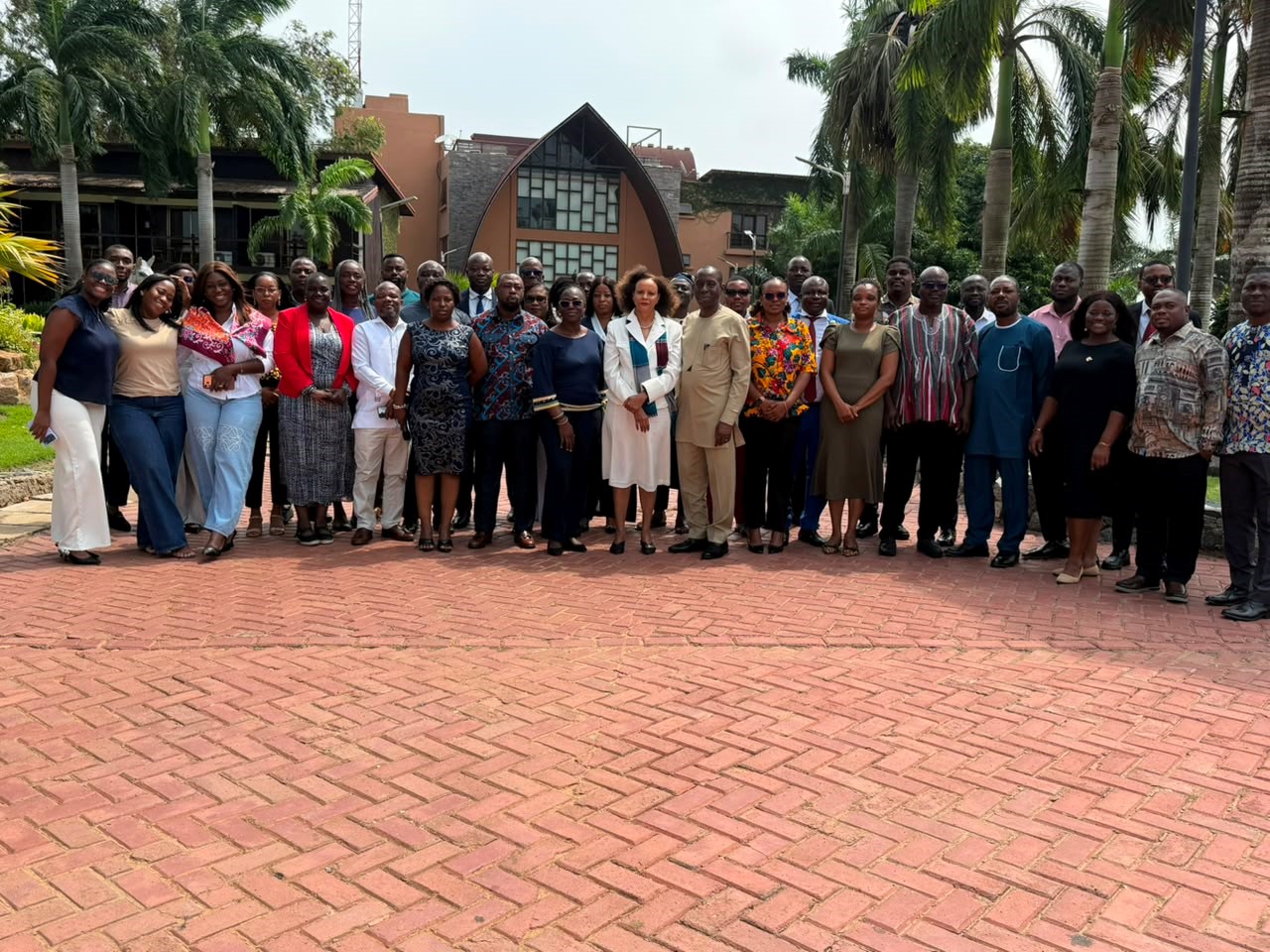
Ghana has entered the final stage of assessing its implementation of the African Continental Free Trade Area (AfCFTA) Protocol on Trade in Goods, with senior government officials, private sector representatives, technical experts and the AfCFTA Secretariat meeting in Ada to validate the country’s implementation review.
The three-day Validation Meeting, taking place from 27 to 29 July 2026, marks a significant milestone under the AfCFTA Implementation Review Mechanism (AFIRM), a continental framework designed to help State Parties evaluate progress, identify implementation gaps and develop practical reforms that will make trading under the AfCFTA more effective.
The meeting follows months of consultations with stakeholders and a comprehensive technical assessment of Ghana’s legal, policy, regulatory and institutional frameworks supporting implementation of the Protocol on Trade in Goods.
Participants are reviewing the revised Implementation Review Matrix, which captures evidence gathered during the assessment, identifies good practices and implementation challenges, and proposes recommendations to strengthen Ghana’s readiness to trade under Africa’s single market. Once validated, the document will serve as the country’s authoritative assessment and form the basis of Ghana’s final national implementation report.
The findings will also guide the development of a practical reform roadmap focused on improving trade facilitation, strengthening customs administration, enhancing regulatory transparency, ensuring compliance with product standards and expanding market access for Ghanaian businesses.
The review process is expected to deliver tangible benefits to the private sector by identifying regulatory bottlenecks that increase the cost of doing business, streamlining trade procedures and strengthening institutions responsible for facilitating cross-border commerce.
For Ghanaian producers, manufacturers, exporters and small and medium-sized enterprises (SMEs), these reforms are expected to create a more predictable, transparent and business-friendly trading environment, enabling businesses to compete more effectively within Africa’s integrated market of 1.4 billion people.
The validation exercise also underscores the importance of collaboration in implementing the AfCFTA. By bringing together policymakers, regulators, technical experts, development partners and the private sector, the process ensures that the assessment reflects the practical realities businesses face when trading across borders while generating solutions that are both evidence-based and commercially relevant.
The AfCFTA Implementation Review Mechanism is designed to support continuous improvement by enabling State Parties to measure implementation progress, share best practices and undertake targeted reforms that unlock the full benefits of the Agreement.
As Ghana validates its implementation assessment and prepares its final national report, the country is taking another important step toward translating the AfCFTA from a legal framework into practical opportunities for businesses, increased intra-African trade and sustainable economic growth.
The outcome of the Ada meeting is expected to strengthen Ghana’s implementation of the AfCFTA while reinforcing the country’s commitment to building a more competitive, efficient and inclusive trading environment that contributes to the realization of One African Market.