

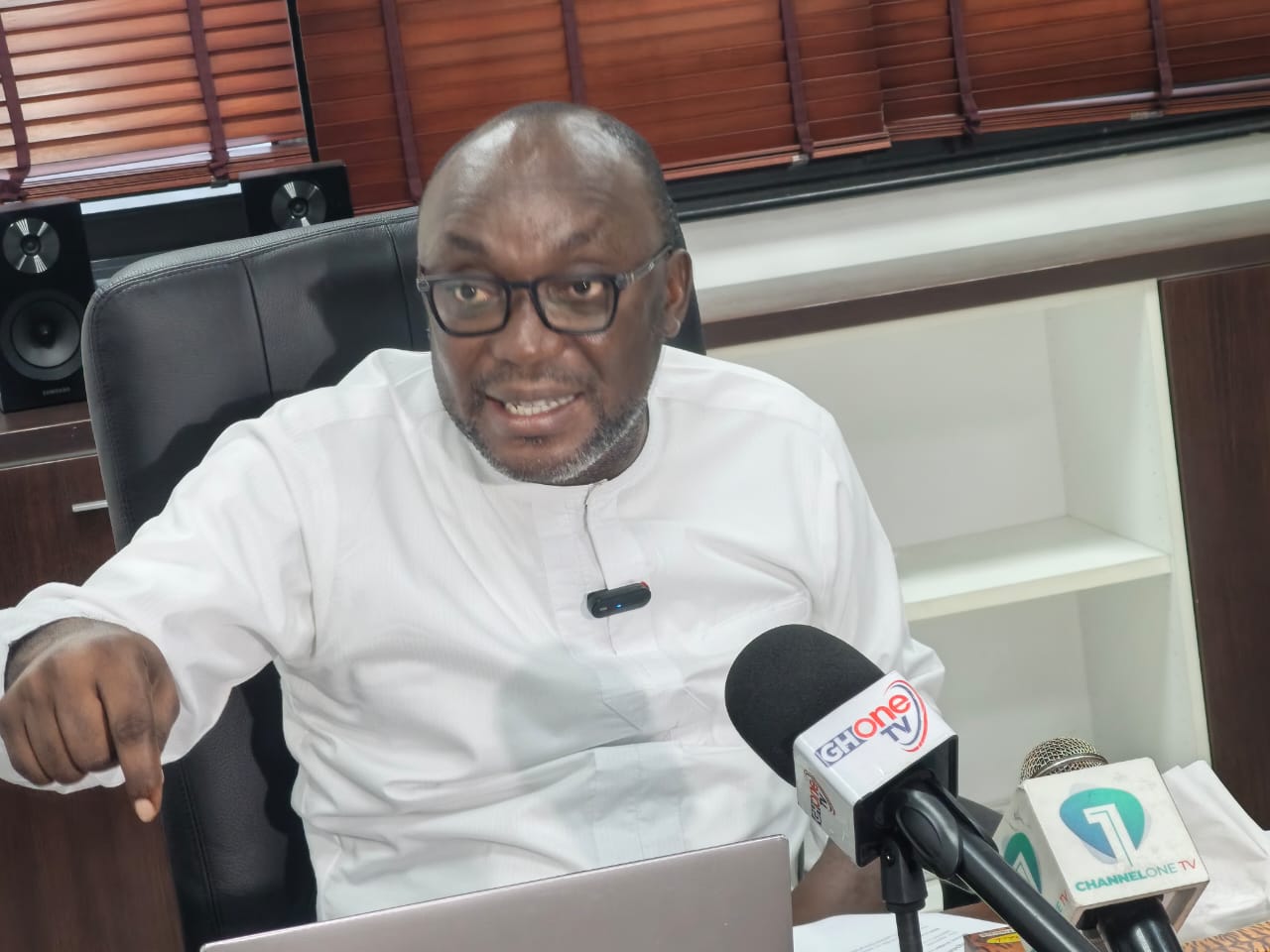
A Member on Parliament’s Health Committee, Dr. Kingsley Agyemang, has accused the government of failing to translate its health sector budget into meaningful expenditure, arguing that the 2026 Mid-Year Budget Review exposes significant underperformance in healthcare spending.
Addressing a press conference on the Mid-Year Budget Review, the Abuakwa South MP said the government had allocated approximately GH¢34.1 billion to the health sector in the 2026 Budget, comprising GH¢22.8 billion in direct appropriations and GH¢11.2 billion for the National Health Insurance Scheme (NHIS) and the Ghana Medical Trust Fund.
However, he argued that the Finance Minister’s review failed to demonstrate that the allocations had been translated into actual spending.
According to Dr. Agyemang, the Public Financial Management Act requires a mid-year review to compare budgeted allocations with actual expenditure across compensation, goods and services, and capital expenditure.
He contended that the review did not provide such a breakdown, making it difficult for Parliament and the public to assess the government’s performance in the health sector.
He cited the NHIS as a key example, noting that although government had promoted the uncapping of the National Health Insurance Levy, only about GH¢3.4 billion had been spent out of the GH¢11.2 billion allocated to the NHIS and the Ghana Medical Trust Fund during the first half of the year.
According to him, the amount represents only about 30 percent of the annual allocation.
Dr. Agyemang argued that simply uncapping the levy was insufficient if funds were not released to enable the National Health Insurance Authority to operate effectively.
He maintained that the low level of expenditure raises questions about the government’s commitment to financing healthcare despite its budgetary commitments.
The legislator stressed that healthcare remains one of the most critical sectors because every household depends on access to quality medical services, insisting that budgetary promises must be matched with actual spending.