

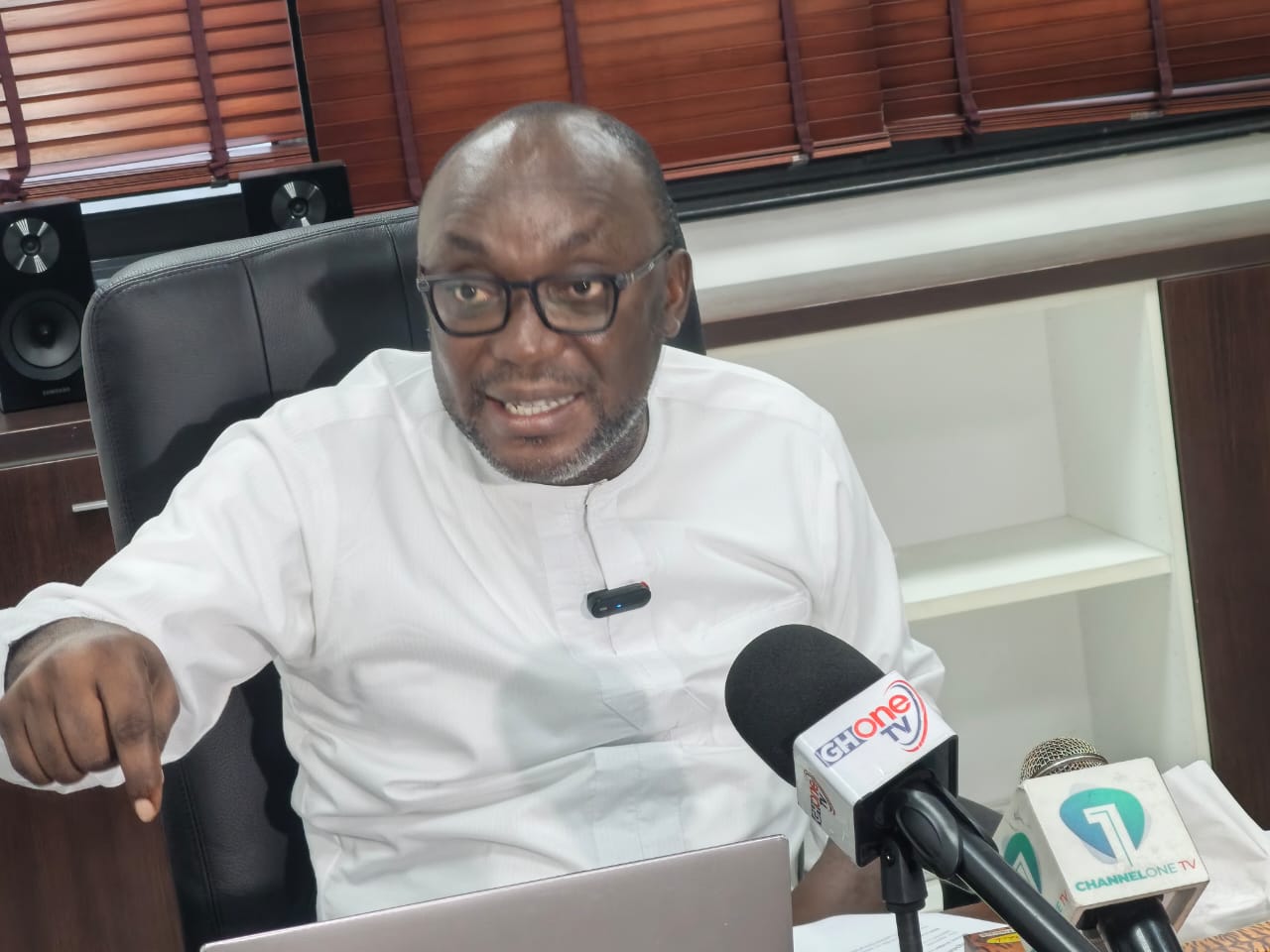
A MEMBER of Parliament’s Health Committee, Dr. Kingsley Agyemang, has raised concerns that Ghana’s reported increase in HIV infections points to deeper weaknesses in the country’s healthcare financing and disease prevention systems.
The Abuakwa South MP argued that the trend in HIV cases reflects not only a public health challenge but also the consequences of inadequate investment in healthcare, particularly in preventive services.
According to him, HIV prevention requires sustained government funding for public education, testing, treatment, and community outreach programmes.
Dr. Agyemang warned that when healthcare spending falls short, critical interventions aimed at reducing new infections become increasingly difficult to sustain.
He said prevention campaigns, early diagnosis, and uninterrupted access to antiretroviral treatment are among the services most vulnerable to funding constraints.
The lawmaker’s remarks have renewed debate over whether current health sector allocations are sufficient to support Ghana’s response to HIV and other communicable diseases.
His comments come amid ongoing discussions about healthcare financing following concerns over government expenditure on the sector.
Public health experts have long maintained that HIV control depends heavily on continuous investment in prevention and treatment programmes.
Interruptions in testing services, awareness campaigns, or medication supply can lead to delayed diagnosis, increased transmission, and poorer health outcomes for people living with HIV.
Dr. Agyemang argued that stronger investment in healthcare should be viewed as a national priority rather than a competing expenditure item.
He suggested that inadequate funding for preventive healthcare could ultimately increase the country’s long-term healthcare costs, as more resources would be required to treat advanced illnesses that could have been prevented through earlier intervention.
The MP also linked the discussion on HIV to broader concerns about the overall capacity of Ghana’s healthcare system.
He said healthcare affects every household and should receive sustained investment regardless of political considerations.
His comments have added a new dimension to the debate over the government’s health spending priorities, with analysts expected to scrutinise the extent to which budget allocations are reaching frontline health services.
The discussion is likely to intensify as policymakers, health professionals, and development partners continue efforts to strengthen Ghana’s HIV response and improve access to healthcare services across the country.
Observers say the challenge of reversing the rise in HIV infections will require coordinated action involving government institutions, healthcare providers, civil society organisations, and international partners, with sustained financing remaining a central component of any effective response.