

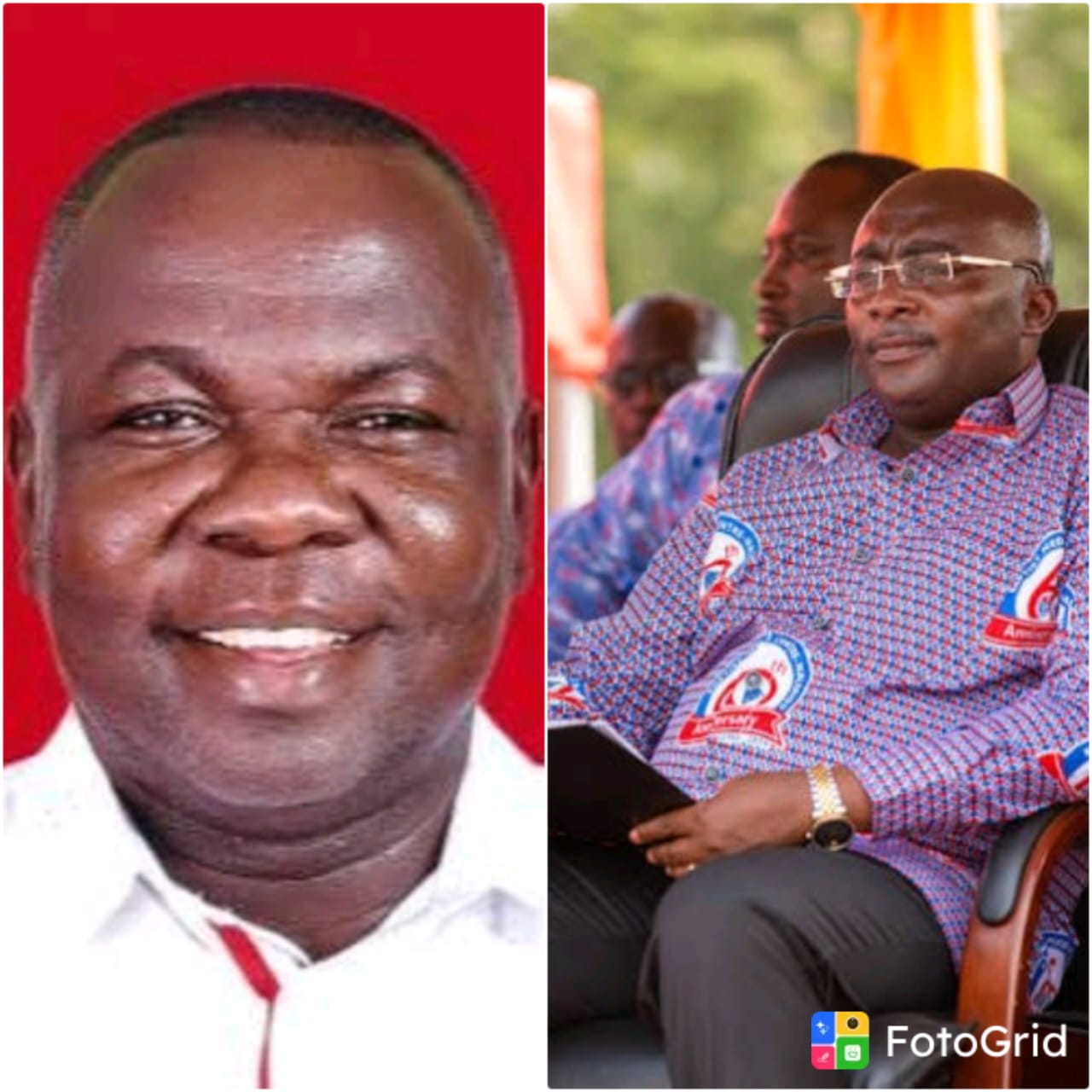
The New Patriotic Party (NPP) in the Suhum Constituency of Ghana’s Eastern Region is facing increasing internal unease as a section of party supporters and grassroots members voice concerns over what they describe as growing divisions under the leadership of the area’s Member of Parliament, Hon. Frank Asiedu Bekoe, popularly known as “Protozoa.” They warn that unless urgent efforts are made to restore unity, the party could face significant political challenges in future elections.
The concerns surfaced during the constituency’s electoral activities, where supporters from different polling stations and electoral areas spoke openly about what they believe is a widening gap between the parliamentary leadership and the party’s grassroots structures. Many described the current atmosphere as one of uncertainty, frustration and declining confidence among long serving party faithful.
Several supporters appealed directly to the National Executive Committee (NEC) of the NPP and the Office of the party’s 2024 Presidential Candidate, Dr. Mahamudu Bawumia, to facilitate an intervention aimed at reconciling the various factions within the constituency before the situation escalates further. According to them, rebuilding trust should become an immediate priority if the party intends to remain electorally competitive in Suhum.
In separate interviews, party members alleged that internal cohesion has steadily weakened since Hon. Frank Asiedu Bekoe assumed office as Member of Parliament. They claimed that disagreements which were once manageable have gradually evolved into entrenched divisions that now threaten the party’s organizational stability and morale.
According to several respondents, strained relationships between the Member of Parliament and sections of constituency executives, polling station officers and grassroots organizers have contributed to feelings of exclusion among many dedicated party activists. They argued that many committed supporters no longer feel adequately consulted on major constituency decisions, resulting in reduced enthusiasm and weakening the collaborative spirit that has historically characterized the party.
Some supporters further alleged that greater attention has been directed toward consolidating support among selected delegates instead of promoting broad based reconciliation across the constituency. While these allegations remain contested and have not been independently verified, critics insist that perceptions of favoritism have intensified mistrust and deepened existing internal divisions.
A number of interviewees also claimed that Suhum possesses experienced and highly respected professionals including medical practitioners, lawyers, entrepreneurs and other accomplished party members who are willing to contribute significantly to rebuilding the constituency. However, they alleged that many of these individuals have been marginalized because they are perceived as potential political competitors to the current parliamentary leadership.
Supporters further contended that the constituency’s leadership has increasingly relied on a relatively narrow circle of loyalists whom they believe lack the organizational capacity, influence and financial strength needed to effectively support the party, particularly during a period when the NPP is rebuilding from opposition.
Several respondents maintained that excluding experienced professionals has deprived the constituency of valuable expertise capable of strengthening internal administration, improving resource mobilization and enhancing grassroots political organization. They argued that broader inclusion would better position the party for future electoral contests.
Beyond internal party concerns, many residents and sympathizers also questioned the pace of socio economic development within the constituency. They expressed disappointment that several communities continue to face challenges relating to infrastructure, employment opportunities and access to essential public services despite expectations of accelerated development.
Some interviewees further argued that stronger parliamentary advocacy and sustained engagement with central government institutions could help attract greater investment into roads, education, healthcare, agriculture and youth employment initiatives. In their view, visible development remains one of the most effective ways of strengthening public confidence in political leadership.
The Member of Parliament’s visibility in Parliament also featured prominently in the discussions. Several supporters alleged that Hon. Frank Asiedu Bekoe has maintained a relatively low public profile on issues directly affecting Suhum, arguing that constituents expect stronger representation during parliamentary debates and national policy discussions.
Respondents recalled that during his campaign for the NPP parliamentary nomination, Hon. Frank Asiedu Bekoe pledged to unite the constituency and restore confidence within the party. While acknowledging the challenges associated with political leadership, they argued that many supporters believe those expectations have yet to be fully realized.
Political analysts observe that internal cohesion remains one of the most critical determinants of electoral success in highly competitive constituencies. They caution that prolonged factional disputes often weaken campaign structures, reduce volunteer participation, discourage financial support and create opportunities for political opponents to capitalize on internal dissatisfaction.
The concerns emerging from Suhum come at a time when political parties across Ghana are reassessing their internal structures following recent electoral outcomes. Reconciliation, grassroots engagement and organizational renewal have become central themes as parties prepare for future national contests and seek to rebuild public confidence.
Several supporters warned that failure to resolve the current disagreements could gradually erode loyalty among committed party members and weaken the constituency’s electoral machinery. As one supporter remarked, “Political victories are built on unity not division. Once the grassroots lose confidence, rebuilding that foundation becomes far more difficult.” Another activist added, “Suhum deserves leadership that brings every stakeholder to the same table because reconciliation must come before any future campaign.”
Supporters are therefore urging the National Executive Committee of the NPP and the Office of Dr. Mahamudu Bawumia to facilitate an inclusive dialogue involving constituency executives, grassroots members and Hon. Frank Asiedu Bekoe. They believe that meaningful reconciliation, renewed grassroots participation and a stronger focus on development priorities including infrastructure, education, healthcare and local economic opportunities could restore confidence and reposition the party for future electoral success. Hon. Frank Asiedu Bekoe had not publicly responded to the allegations and concerns referenced in this report at the time of publication. The claims presented reflect the views of the supporters interviewed and underscore wider debates surrounding leadership, accountability, grassroots participation and party cohesion within the constituency.