

Story By: Nii Okpoti Odamtten & Muhammad Faisal Mustapha…
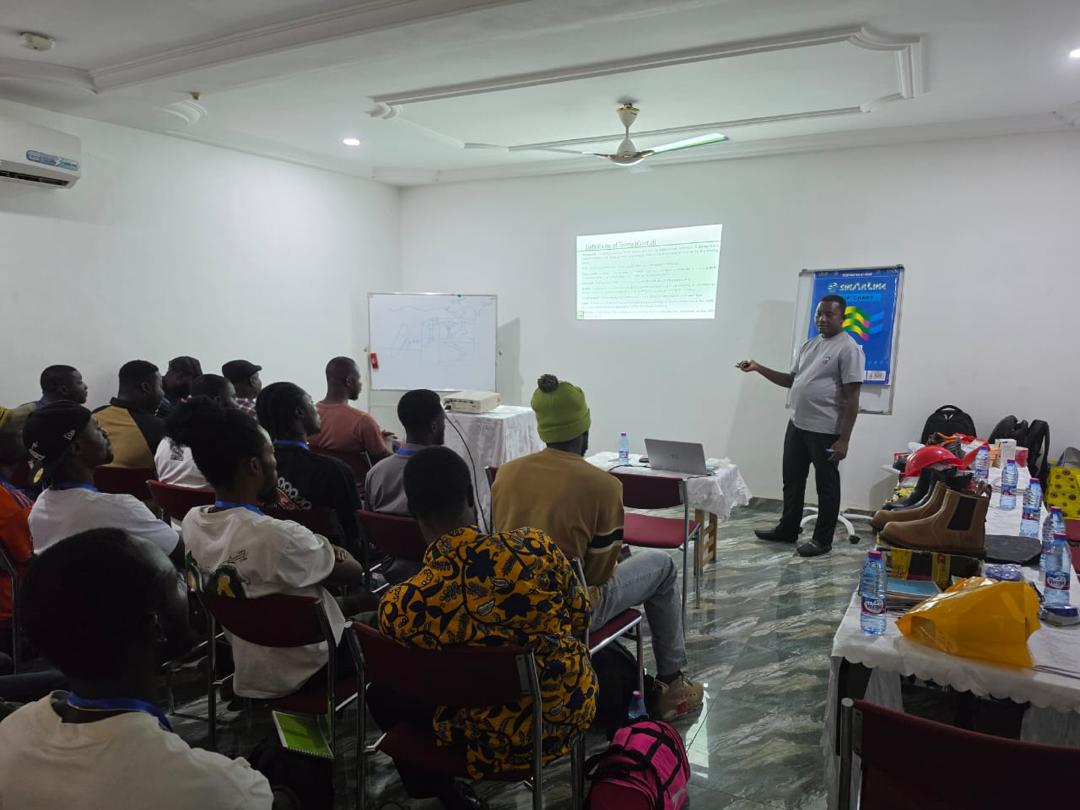
The transformation of Ghana’s small scale mining sector has taken another significant step forward with the extension of a comprehensive miner training programme to Bunso in the Eastern Region, a move aimed at reshaping one of the country’s most important yet challenging industries.
For decades, small scale mining has provided livelihoods for thousands of Ghanaians, contributed substantially to local economies, and supported rural development. Yet the sector has also faced persistent concerns relating to environmental degradation, unsafe operational practices, and regulatory non compliance.
Recognizing both the opportunities and challenges within the industry, rCOMSDEP has intensified efforts to promote responsible mining through education, capacity building, and professional development.
The latest training programme in Bunso reflects a broader national strategy to formalize the sector and equip miners with the practical tools needed to operate sustainably and profitably.
Bringing together miners, community stakeholders, and industry experts, the initiative focuses on transforming traditional mining practices into modern operations guided by safety, accountability, and environmental responsibility.
Participants are receiving in depth instruction on Ghana’s mining regulations, ensuring that operators understand the legal frameworks governing mineral extraction and the obligations associated with responsible resource management.
A central component of the programme is occupational health and safety, an area that remains critical within artisanal and small scale mining communities.
Through practical demonstrations and expert led sessions, miners are being trained on risk management, accident prevention, proper equipment handling, and workplace safety standards designed to reduce injuries and improve operational efficiency.
Environmental stewardship forms another cornerstone of the training, reflecting growing concerns about the impact of mining activities on forests, water bodies, and agricultural lands.
Participants are being educated on responsible land use, site rehabilitation, waste management, and measures that help preserve natural ecosystems while maintaining productive mining operations.
The programme also introduces miners to modern extraction techniques and improved operational methods that can increase yields without compromising environmental integrity.
Industry observers note that such interventions are increasingly important as governments and development institutions seek sustainable pathways for resource extraction across Africa.
By emphasizing professionalism and compliance, the Bunso initiative aims to bridge the gap between economic opportunity and environmental protection.
Communities surrounding mining areas stand to benefit significantly from safer practices, reduced ecological damage, and stronger relationships between miners and local residents.
According to programme facilitators, responsible mining is not only about extracting minerals but also about safeguarding the long term prosperity of communities that depend on natural resources.
The initiative reflects a growing recognition that sustainable mining can serve as a catalyst for rural development when supported by education, regulation, and community engagement.
Experts believe that formalized training programmes provide miners with the confidence and technical expertise needed to navigate an increasingly regulated global mining environment.
The expansion into Bunso demonstrates rCOMSDEP’s determination to ensure that no mining community is left behind in Ghana’s transition toward a more structured and accountable sector.
As participants complete the programme, they are expected to become ambassadors of responsible mining practices within their respective communities, helping to spread knowledge and promote industry wide transformation.
The long term vision extends beyond individual training sessions. It seeks to establish a culture of professionalism where compliance, safety, environmental protection, and productivity become inseparable pillars of small scale mining operations.
In a country where mineral resources remain a vital driver of economic growth, initiatives such as the Bunso training programme underscore the importance of investing in people as much as in resources.
For Ghana’s small scale mining sector, the message emerging from Bunso is clear: the future belongs to miners who embrace knowledge, responsibility, and sustainability as the foundation of lasting success.
“The future of Ghana’s small scale mining industry will not be defined by the volume of gold extracted, but by the professionalism, environmental responsibility, and safety standards that guide every operation. Empowering miners with knowledge is the most sustainable investment we can make in the sector.” rCOMSDEP Official